
Foster children deserve a brighter future, and that takes commitment
Posted on 12 Aug 2026
Our Community's founder and leader, Denis Moriarty, says fostering a child was his worst nightmare,…
Posted on 17 Mar 2026
By Meredith Eldridge, director of operations at Per Capita

We humans like to think that we are rational beings who make up our minds based on facts. Unfortunately for us, it is well-established that the vast majority of the time, people’s decisions are actually driven by emotion and subconscious mental shortcuts (see the work of Daniel Kahneman, Anat Shenker Osorio, Drew Westen, George Lakoff, and Sarah Stein Lubrano). This means that when people are deliberating social policy issues, facts and conscious reasoning play a smaller role than we might like.
We all have a Confirmation Bias, which means that if a new piece of information doesn’t fit with our current belief system, we are more likely to dismiss it as incorrect or unreliable rather than change our minds.
So where does that leave think tanks and not-for-profits? If graphs and statistics won’t change people’s minds, how do think tanks and NFP policy and communications teams influence public perceptions and decision-makers concerning their issue? Evidence is still crucial, but we must also speak to people on an emotional level using values-based framing.

Framing refers to the way ideas are presented, which affects how people perceive them. For example, a person could be framed as either a consumer or a citizen – the two words bring up very different mental images and emotions. If we use a phrase like ‘tax relief,’ it frames tax as a burden, a bad thing, implying that tax cuts are good. Whereas the phrase ‘tax contributions’ frames tax as a social responsibility that benefits the whole community.
Framing can have a profound effect on support for, or opposition to, a policy. We saw this when early discussions around ‘same sex marriage’ drew polarising views, but reframing the issue as ‘marriage equality’ emphasised that all people should have the same rights and drew significantly more community support.
Research shows that we can increase support for progressive ideas by framing them in intrinsic values (for more on this, visit the experts, Common Cause Australia). Intrinsic values are things people value for their own sake, not for what we can get from them, like honesty, justice, equality, etc. Extrinsic values are things we value not for their own sake but for the benefits they bring, like power, wealth or achievement.
“It is well-established that the vast majority of the time, people’s decisions are driven by emotion and subconscious mental shortcuts.”
For most NFPs, our causes — the NDIS, gender equality, workers rights, equitable housing, etc — are all things that should be valued intrinsically, not only for their economic benefits. However, think tanks and NFPs are often stuck in the difficult position of being asked to justify the economic benefit of their work to Ministers, funders and other stakeholders. This can shoot our cause in the foot because framing, say, housing homeless people only in terms of economic benefit, can put our audience in an extrinsic frame of mind, leading them to value profit over people.
This extrinsic framing has been expertly used by conservatives for five decades now to shift Western societies towards increasingly individualistic and neoliberal views. We progressives must fight back by framing our issues in intrinsic values first, before presenting our facts.
To continue our example of housing homeless people, if we were to first frame the issue in terms of the life changing impacts these people experienced, our audience are more likely to be in an intrinsic mindset, agreeing with our values, when we then follow with our facts and data. Beginning with stories of people with lived experience of our issue, or casting a vision of the world we want to see can help frame our argument in intrinsic values from the outset.
Values-based framing is both a short term and long term project. In the short term, it can help to secure increased support for our current policy issues. Whilst obviously not a silver bullet for winning policy change, the evidence suggests it can help. Over the long term, it can help embed progressive narratives like collectivism in the population’s worldview. In the battle to win policy change for a fairer, more equitable world, we must win hearts before we can win minds.
Meredith is a communications specialist with over a decade of experience in the non-profit sector and communications agencies. As Per Capita’s Director of Communications and Operations, she translates complex policy research into clear, compelling messages for the general public, media, and other audiences. Meredith specialises in strategic messaging and the role of behavioural psychology in communication.
Posted on 12 Aug 2026
Our Community's founder and leader, Denis Moriarty, says fostering a child was his worst nightmare,…
Posted on 05 Aug 2026
As the Global Impact Summit kicks off in Sydney today, Equitable Philanthropy’s Catherine Brooks…

Posted on 05 Aug 2026
The charity and not-for-profit sector is vital to our economy and the wellbeing of communities…

Posted on 15 Jul 2026
Our Community's founder and leader, Denis Moriarty, on what's special about the shared workplace…

Posted on 15 Jul 2026
The government is now consulting on changes to the way trusts are taxed. Charities and NFPs need to…

Posted on 15 Jul 2026
A new podcast from The Smith Family gives a voice to people who’ve experienced poverty and breaks…

Posted on 08 Jul 2026
The Royal Australasian College of Physicians has found itself facing serious scrutiny from the…
Posted on 30 Jun 2026
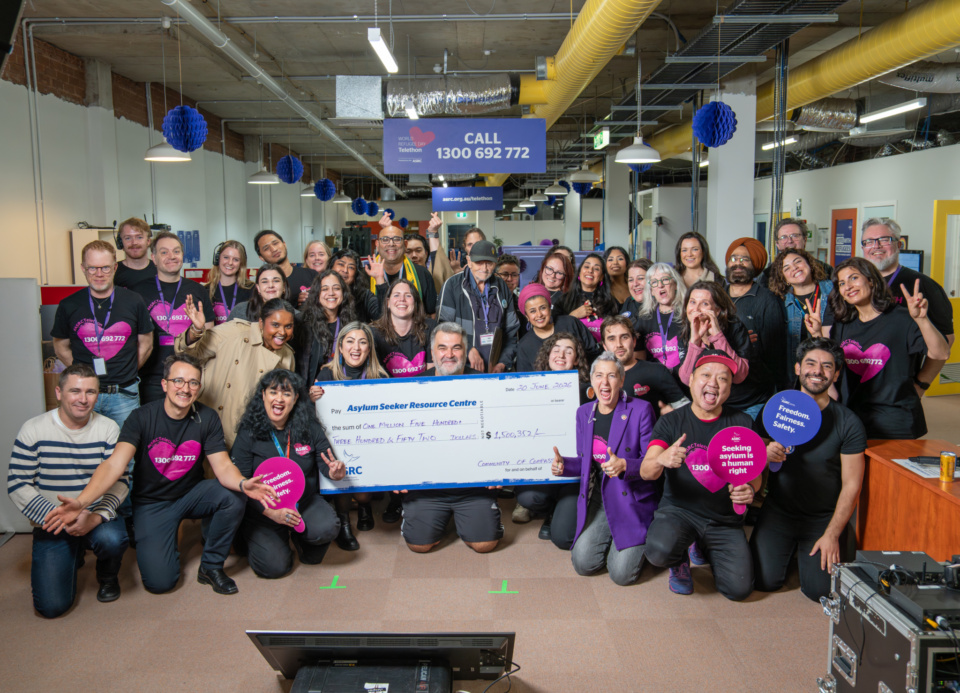
“What do we do now?” is a question on many Australians’ minds as the divisive, nasty and…

Posted on 30 Jun 2026
Australian house prices rose roughly 8,300 per cent between 1970 and 2025, so it would seem…

Posted on 24 Jun 2026
It seems like an oxymoron to talk to about building trust in a global environment where it’s…
Posted on 17 Jun 2026
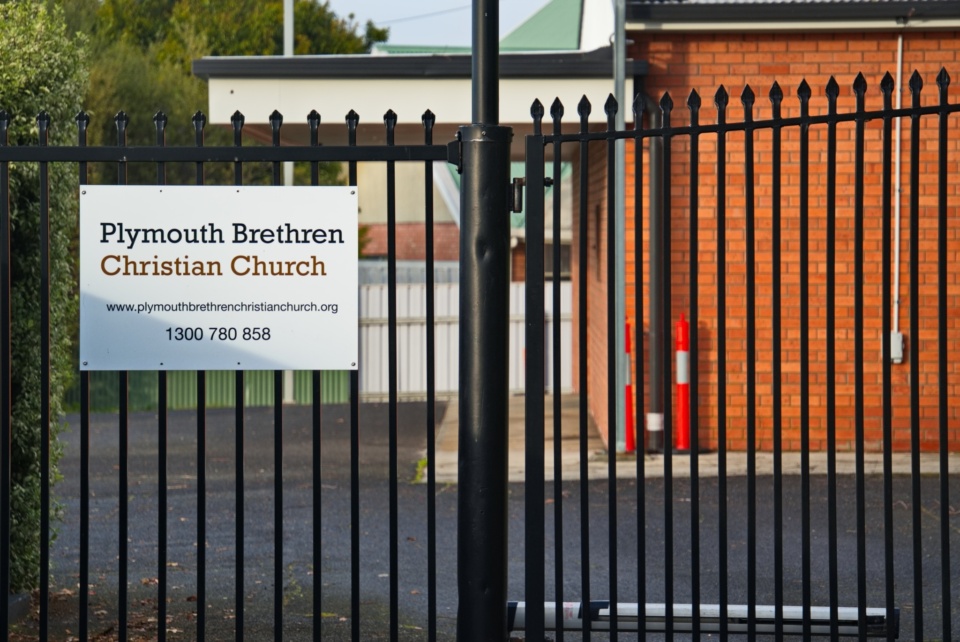
If charges are proven that members of the Brethren movement took part in partisan political…
Posted on 10 Jun 2026
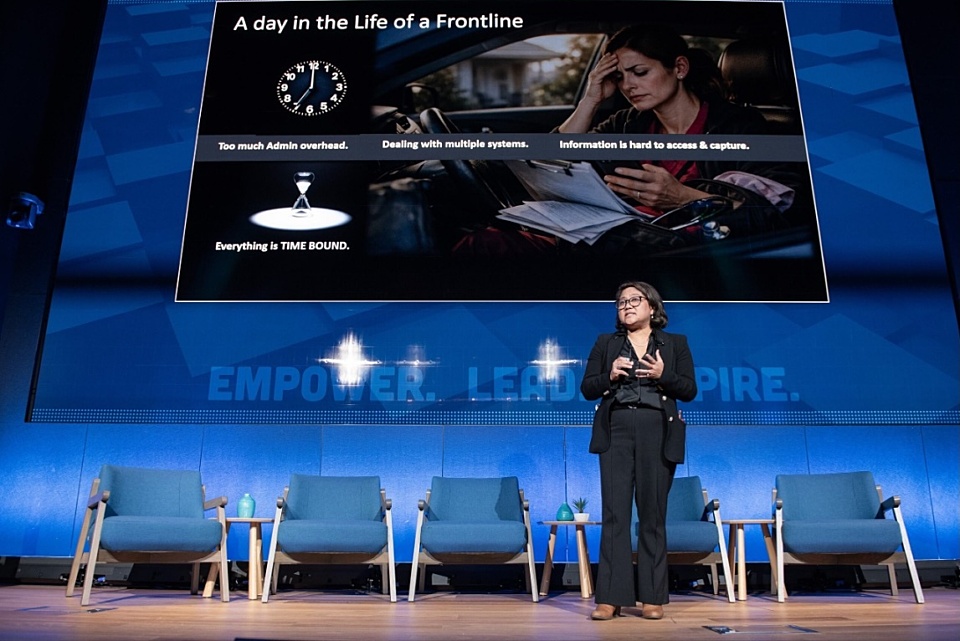
Artificial intelligence is rapidly moving from experimentation into day-to-day operations across…