
Sector on alert as sophisticated scams target NFPs
Posted on 30 Sep 2026
I am checking if this is in the right spot. Let's see.
Posted on 12 Aug 2026
By Nick Place, journalist, Community Directors
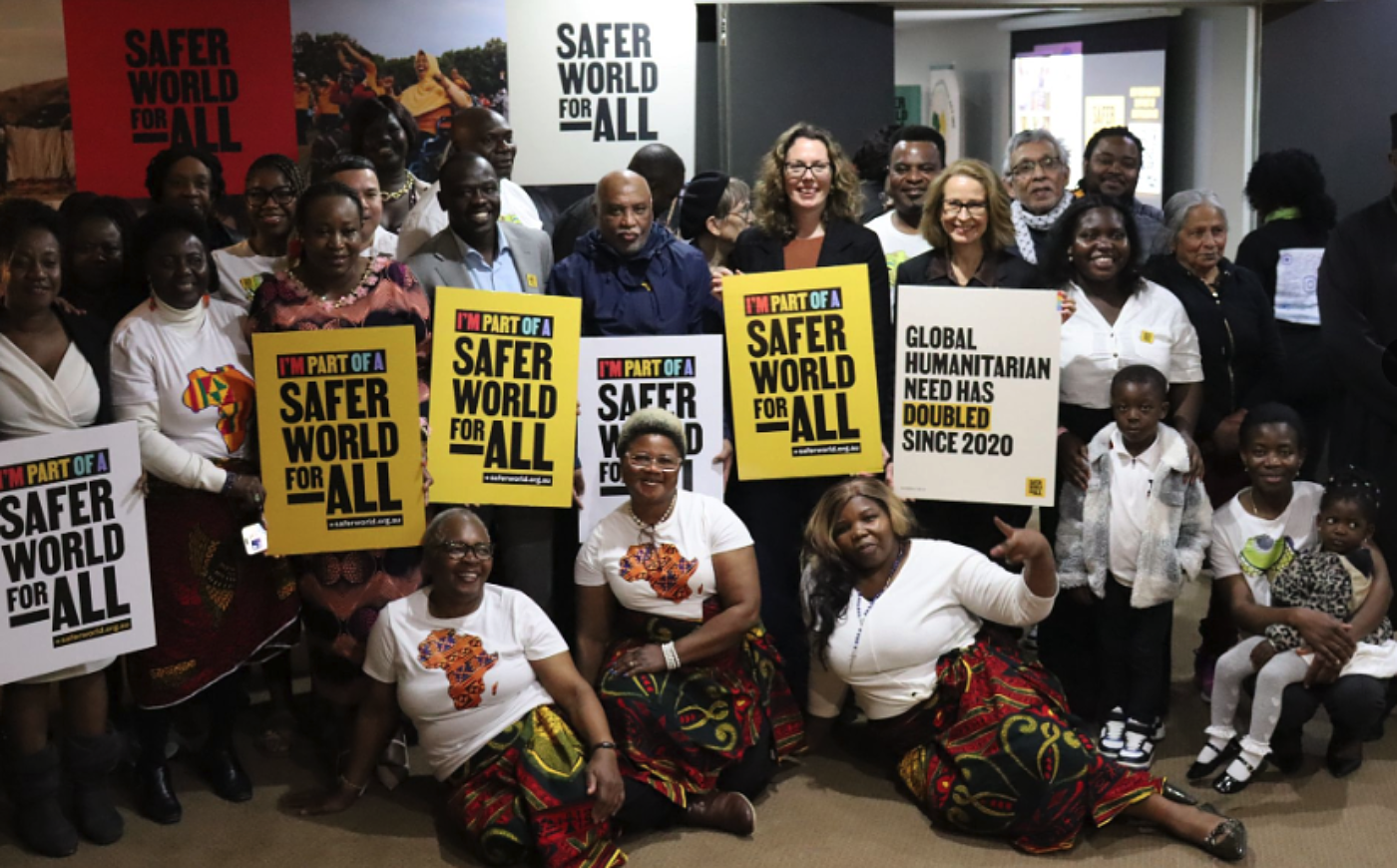
A major report on the state of donations in the international aid sector has found that fewer donors are giving more, and employee numbers and projects are strained. Yet it also found that the organisations surveyed continue to record significant achievements.
The research was undertaken by the Australian Council for International Development (ACFID), the peak body for Australian non-government organisations (NGOs) involved in international development and humanitarian action. It released its first State of the Sector report in 2018, and the report released late last week is the follow-up, comparing the sector in 2024 to the snapshot from 2018.
The new report recorded the sustained pressure and shifting conditions that ACFID member organisations are battling, but it also found strengthened localisation, collaboration and accountability.
“Over the period 2018 to 2024, the data shows a sector marked by both resilience and strain,” the report said. Inflation-adjusted revenue has declined for large and medium-sized NGOs, falling below even 2017 levels, although smaller organisations seemed to be experiencing revenue growth.
“Real public donations fell by around 20 per cent between 2015 and 2024, and fewer Australians are donating to ACFID members: down from approximately 8 per cent of the adult population in 2016 (8.3 per cent) to just over 5 per cent in 2023 (5.7 per cent),” the report said. “While the average donation size has increased, this was largely driven by a small number of organisations, rather than sector-wide change. These findings suggest a smaller but more committed donor base, with implications for future fundraising strategies.”
ACFID says its 136 full members and 18 affiliate members operate across 91 developing countries and raised total revenue of $1.968 billion in 2023–24. That revenue included $750 million donated by more than 793,000 Australians.
Increasing financial pressures had seen ACFID members reduce staff by around one-third between 2017 and 2022, especially at larger organisations, the report said.
Women continued to make up the majority of NGO employees (around 70 per cent) and had increased their presence in CEO and board leadership positions, it added.
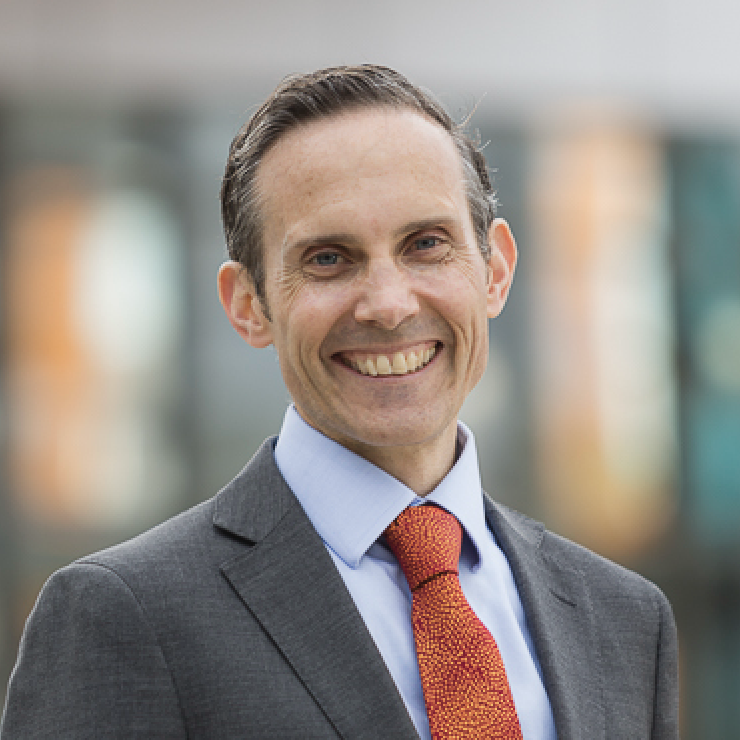
In launching the report on Thursday, Charities Minister Andrew Leigh referred to the stress caused by a reduction in donors and staff.
“These figures affect organisational resilience and the capacity to plan for the long term,” he said. “They also shape how many communities organisations can reach.”
“The operating environment will remain demanding. Humanitarian need is rising and climate pressure is intensifying.”
Leigh was enthusiastic about the State of the Sector report’s focus on ACFID member organisations’ commitment to locally led development and projects.
“The report’s new baseline for locally led development is [an] important contribution,” the minister said.
“Forty-three per cent of responding members had an internal commitment or policy on locally led action or partnerships. Almost all organisations reported dedicating staff time to partner-led capacity building and institutional strengthening. Among organisations undertaking advocacy, local partners usually had some influence over that work.
“Locally led development means listening early and sharing decisions. It means backing local institutions and recognising where knowledge sits. That approach builds capability close to the people affected and supports solutions grounded in local priorities,” he said.
The report found there had been a rise in the need for organisations to prioritise humanitarian assistance.
“Programmatically, humanitarian assistance has increased as a share of activity for many organisations, reflecting both the scale of global crises over the period and gradual shifts in organisational portfolios,” it observed. “While methodological changes explain some of the observed increase, a genuine trend toward greater humanitarian focus is evident.”
Leigh said the decline in donors showed the work ahead for ACFID organisations.
“The operating environment will remain demanding. Humanitarian need is rising and climate pressure is intensifying,” he said. “Civic space is narrowing in many places, while resources remain tight.
“This report shows a sector learning how to work in that changed world.”
Posted on 30 Sep 2026
I am checking if this is in the right spot. Let's see.

Posted on 30 Sep 2026
More than 200 fully funded Centre for Social Impact (CSI) scholarships will help equip for-purpose…

Posted on 30 Sep 2026
Personal stories are among the most powerful tools a charity can have to raise funds and awareness,…
Posted on 23 Sep 2026
A just-released major global survey of charities has found that demand for charity assistance has…

Posted on 23 Sep 2026
Fresh from welcoming delegates to last week’s Philanthropy Australia conference in Brisbane,…

Posted on 23 Sep 2026
A national strategy to develop Australia's regional cities is needed to break the housing…

Posted on 23 Sep 2026
Eight years after a report to Treasury first suggested the charities regulator should be more…

Posted on 17 Sep 2026
Australia’s biggest gathering of philanthropists, which drew more than 1200 delegates to Brisbane…
Posted on 16 Sep 2026
A new partnership between Paul Ramsay Foundation (PRF) and Atlassian Foundation aims to attract…

Posted on 16 Sep 2026
While there is no shortage of studies examining not-for-profits from every angle, a new research…

Posted on 16 Sep 2026
Tourism is a large source of income for Kangaroo Island, 210 km south-west of Adelaide, but the…
Posted on 16 Sep 2026
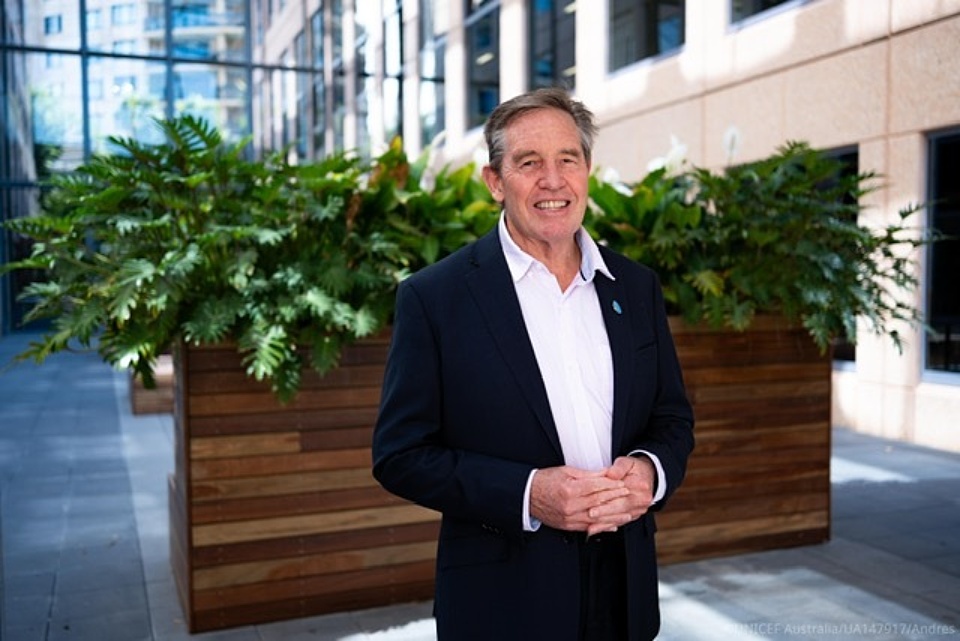
In the face of challenging conditions in the giving sector, UNICEF Australia chief executive Tony…