
AI and charities: it’s all about purpose
Posted on 30 Sep 2026
There's been a lot of talk about AI this week, and some of it has been frightening. So, is AI good…
Posted on 23 Oct 2024
By Greg Thom, journalist, Institute of Community Directors Australia

Gender bias persists in Australian newsrooms, despite gender equality's vital role in strengthening democracy and encouraging civic engagement, according to a new report.
A study released today by the Women’s Leadership Institute Australia (WLIA) shows that while women have made gains in the “high-status" area of political reporting business news remains dominated by male reporters and experts.
The report, An Unfinished Story: Understanding Gender Bias in Australian Newsrooms, analysed more than 200,000 articles to track the gender breakdown of journalists bylines and expert sources across key news topics and major media outlets.
Key findings include:
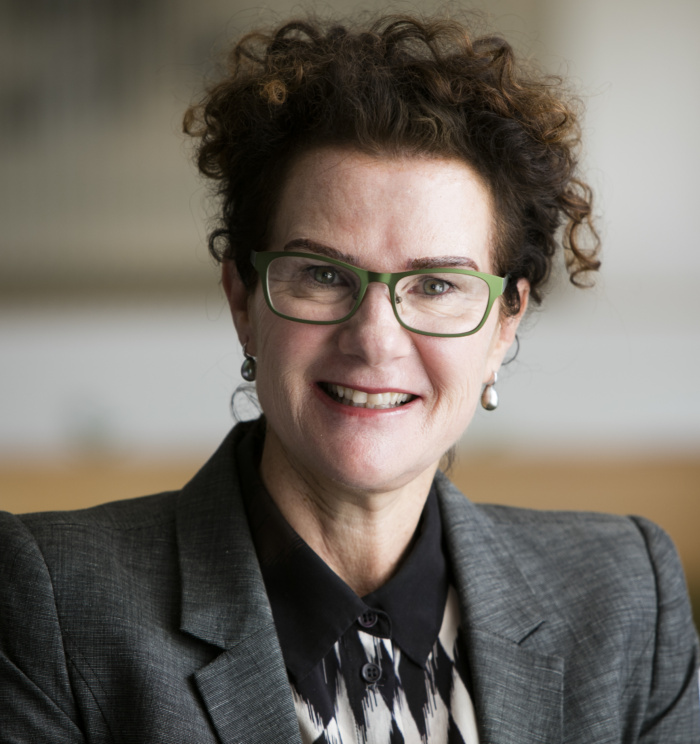
The study, led by La Trobe University Professor of Political Communication Andrea Carson, is the sixth in the Women for Media series.
Professor Carson said 12 years after the first report, progress toward gender parity in the media was still slow.
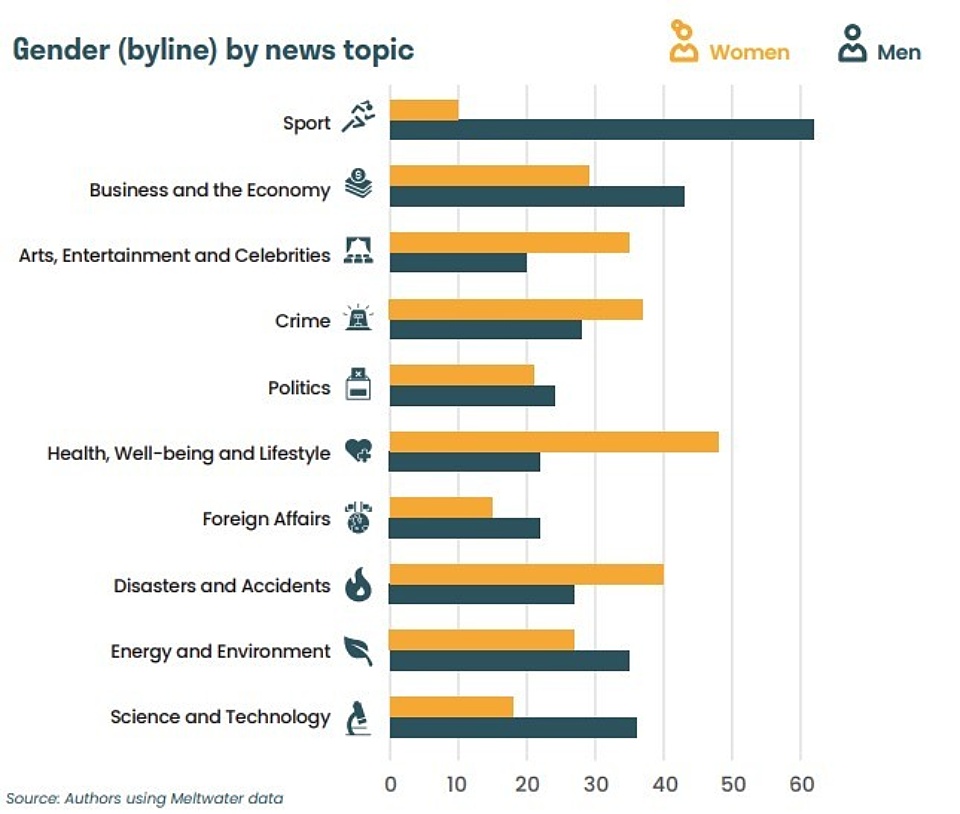
“While we found almost equal numbers of male and female journalists in Australia, women still disproportionately cover soft news stories, while men write the hard news topic areas,” she said.
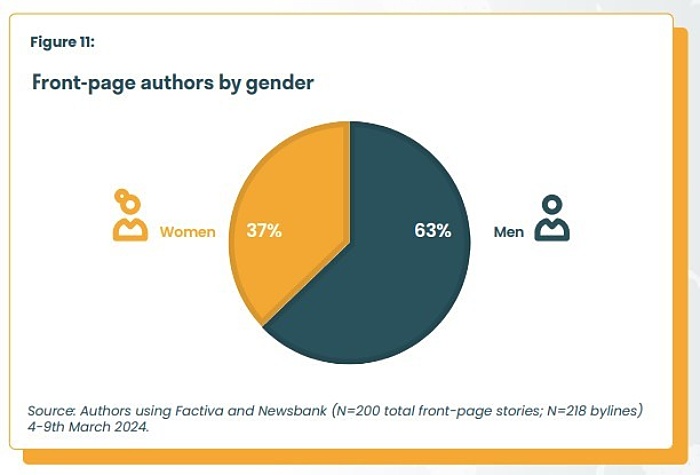
Male journalists wrote more front-page stories and were given ‘exclusive’ taglines more than twice as often as women.
The gender divide was most noticeable in the opinion pages, where men received more than 70 per cent of the opinion bylines, up six per cent since 2021.
The study also revealed a disproportionate number of male experts quoted in news articles.
“While men account for 80 per cent of expert opinions, we found women journalists are better at quoting women sources than men do,” said Professor Carson.
She said gender equality in the news media was vital for democracy and civic engagement.
“Everyone should have the same opportunity to participate in public life, free from any form of discrimination, but there are still significant gaps in gender representation across society, including our democratic institutions like government, the judiciary, and, as this report highlights, the media.”
The report made several recommendations designed to help ensure equal representation and participation of women leaders and journalists in Australian news organisations:
Women should be encouraged and supported to take on roles in traditionally male-dominated reporting areas. Newsroom policies and practices should ensure a more balanced distribution of story topics to both male and female journalists.
Boost the representation of women in high-visibility editorial areas such as the front page and opinion and commentary sections, and in male-dominated topic areas such as sports, business, economics, and international affairs.
While some news events may dictate who is quoted, journalistic discretion should be exercised when able to actively engage more women as expert sources. Editorial oversight should challenge default reliance on male sources.
More thought should be given to how syndication practices can exacerbate gender disparities. Care should be taken to ensure women’s perspectives are integrated across all areas of news coverage, not just in “soft news” topics.
Robust newsroom policies should be introduced that promote gender equity and equality, including initiatives to actively increase the number of female bylines, opinion pieces, “exclusive” taglines and women as quoted experts. Women should be supported with training and mentorship to build expertise in these areas. Clear processes should be established to track and monitor progress, and publicly report outcomes to maintain accountability.
Priority should be given to the development of policies and practices that protect women journalists and other vulnerable groups from online harassment and trolling to prevent a chilling effect on their participation in the media and public discourse.
The report also called on government to consider ways to support public interest journalism in tough economic times and advocate for digital safety standards that protect women in public life from online abuse.
“We need to shift the norms of who we see and hear as leaders and experts – and that starts with bringing more diverse voices into public commentary.”
Interviews with editors revealed that newsroom leaders are committed to improving gender representation, and progress has been made, with more female staff and women leaders in the newsroom.
However, the study found most editors acknowledged more work needs to be done, particularly around increasing the number of women from diverse backgrounds and developing policies to deal with online harms that disproportionately target women.
WLIA chair Carol Schwartz, who is also chair of Our Community, stressed the importance of prioritising diverse voices in news coverage.
“The stories we see, the voices we consider authoritative and the narratives we embrace all determine the future we build,” said Schwartz.
“We need to shift the norms of who we see and hear as leaders and experts – and that starts with bringing more diverse voices into public commentary.”
Schwartz said the issue went beyond gender alone, and was about creating a more inclusive, responsive, and collaborative society.
“Shared power and decision-making between men and women leads to better outcomes for all Australians.”
Posted on 30 Sep 2026
There's been a lot of talk about AI this week, and some of it has been frightening. So, is AI good…

Posted on 30 Sep 2026
After the biggest AFL game of the year, one player proudly wore the flag of his birth country and…

Posted on 30 Sep 2026
At 21 years old, Tate Donohoe is the founder of Ecodia, an AI-assisted software development company…

Posted on 30 Sep 2026
I am checking if this is in the right spot. Let's see.
Posted on 30 Sep 2026
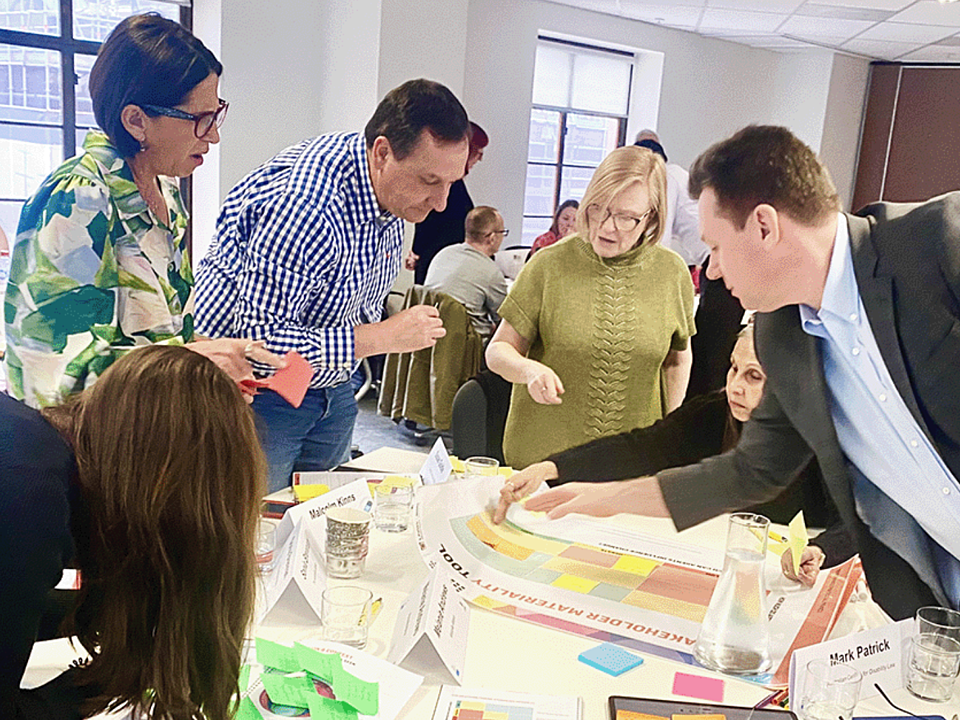
More than 200 fully funded Centre for Social Impact (CSI) scholarships will help equip for-purpose…
Posted on 30 Sep 2026
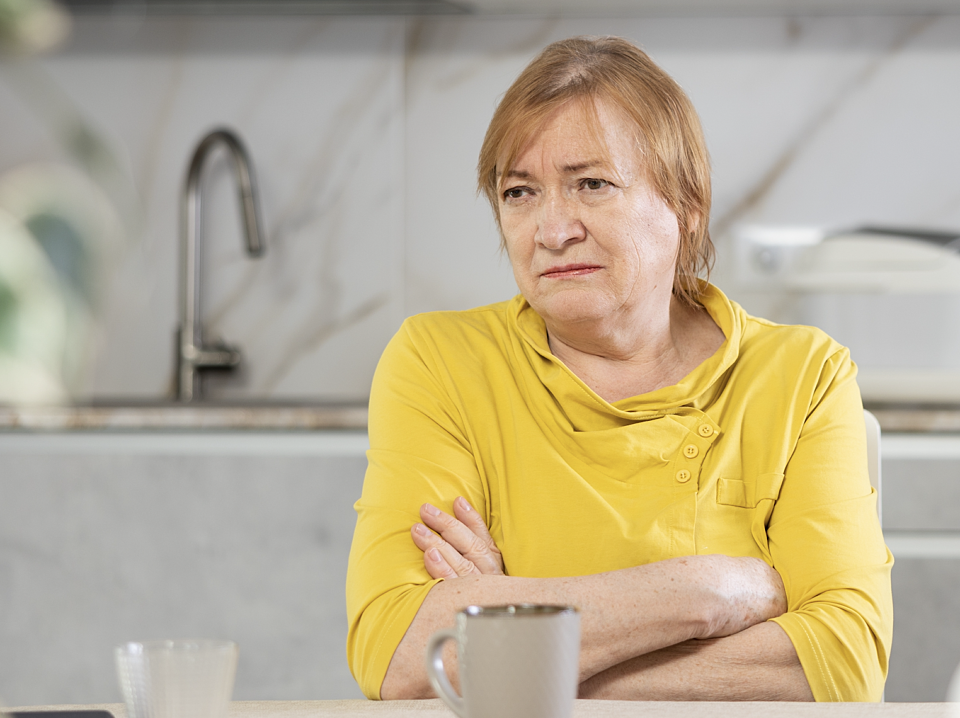
Personal stories are among the most powerful tools a charity can have to raise funds and awareness,…

Posted on 23 Sep 2026
In his new book Our Place, policy expert Matt Lloyd-Cope argues that housing must be at the heart…

Posted on 23 Sep 2026
There are solutions to counter the rise of One Nation but they might not be residing in the mess…

Posted on 23 Sep 2026
A just-released major global survey of charities has found that demand for charity assistance has…
Posted on 23 Sep 2026
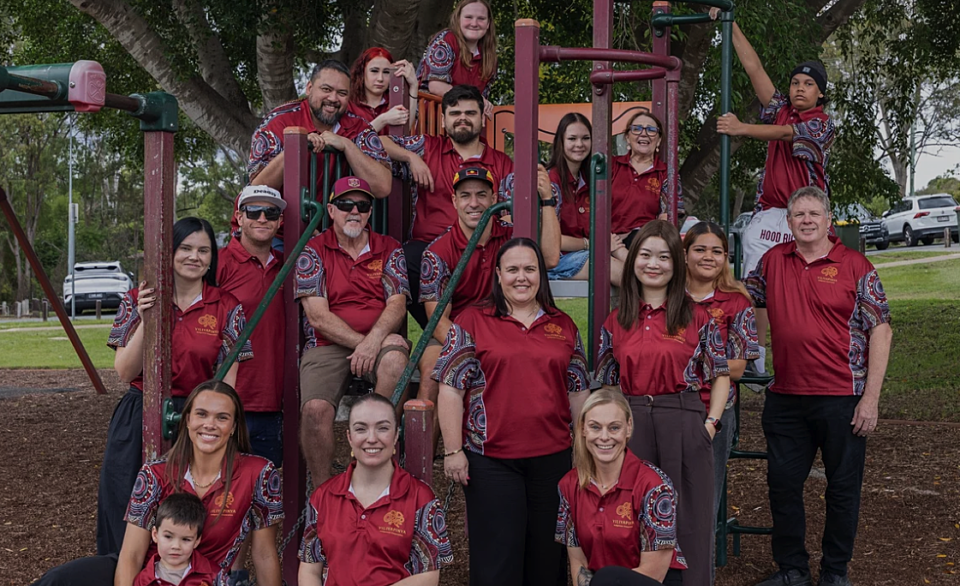
Fresh from welcoming delegates to last week’s Philanthropy Australia conference in Brisbane,…
Posted on 23 Sep 2026
A national strategy to develop Australia's regional cities is needed to break the housing…

Posted on 23 Sep 2026
Eight years after a report to Treasury first suggested the charities regulator should be more…