
Disability savings directed straight to defence in a mixed Budget
Posted on 13 May 2026
There are few surprises in the federal Budget. The flagged reforms are welcome, although…
Posted on 05 May 2025
By Greg Thom, journalist, Institute of Community Directors Australia

Specific personality traits can have a major influence on people’s willingness to volunteer or donate to charity, according to new research.
Besides financial and social incentives, individual differences in people's personality can explain why some of us are more likely to contribute to community welfare than others.
Researchers at the department of psychology of the University of Zurich have examined the so-called "big five" personality traits:
They then explored links between these traits and people's willingness to engage in “prosocial” behaviour.
The researchers analysed 29 international studies comprising more than 90,000 participants.
The project included different methods to describe people's personality and covered various forms of philanthropic engagement.
“This knowledge can be used to develop more targeted strategies aimed at promoting volunteering and charitable giving."
The study findings revealed that two personality traits in particular are linked to philanthropic engagement: sociability and assertiveness, which led to a greater willingness of extraverts to volunteer.
Agreeableness correlated more closely with a willingness to give money to charity.
Researchers said this behaviour could be explained by the fact that agreeable people tend to be more compassionate and considerate of other people's feelings.
Research on the other personality traits, however, yielded mixed results.
There was no clear link between conscientiousness and philanthropic engagement.
Professor of psychology at the University of Zurich Wiebke Bleidorn said openness and neuroticism also appeared to have little effect on people's prosocial behaviour.
"Our findings confirm that individual differences in personality play a role in whether and how much people engage in prosocial behaviour,” she said.
Bleidorn said she believed a better understanding of these links can help to encourage people to contribute to the common welfare based on their individual strengths and motivations.
Another member of the research team, Christopher J. Hopwood, said he hoped the study would not only provide valuable scientific insights but also practical guidance for organisations and policymakers keen to promote volunteering and charitable giving.
“This knowledge can be used to develop more targeted strategies aimed at promoting volunteering and charitable giving."
Posted on 13 May 2026
There are few surprises in the federal Budget. The flagged reforms are welcome, although…

Posted on 13 May 2026
Is it possible that Australians are revelling in demented hysteria at the moment, imagining all…

Posted on 13 May 2026
Doug Taylor, the CEO of The Smith Family, a children’s education charity, and also a teacher of…
Posted on 13 May 2026
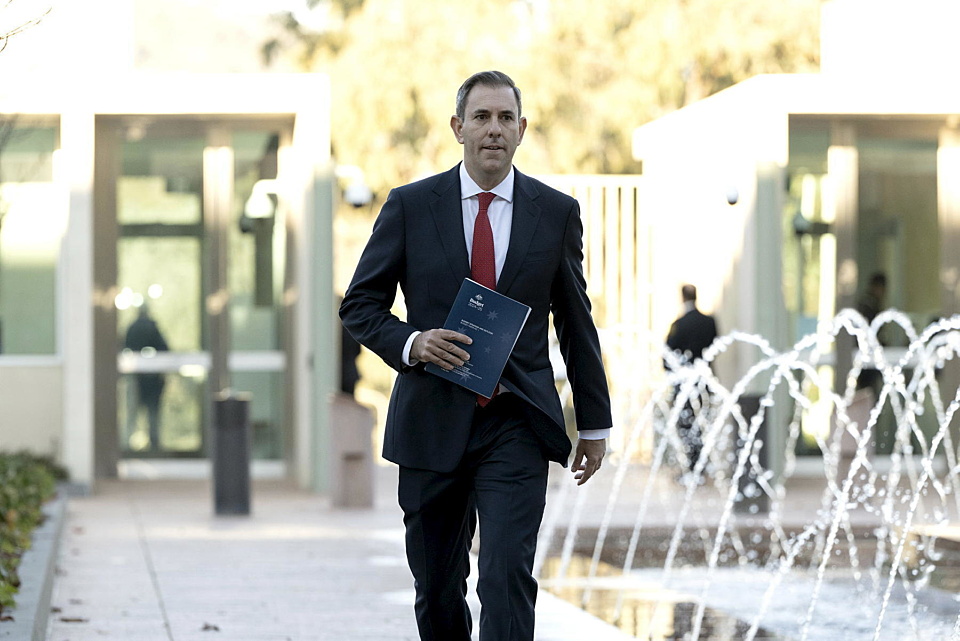
Last night’s federal Budget was a mix of attempted wealth redistribution through significant…
Posted on 13 May 2026
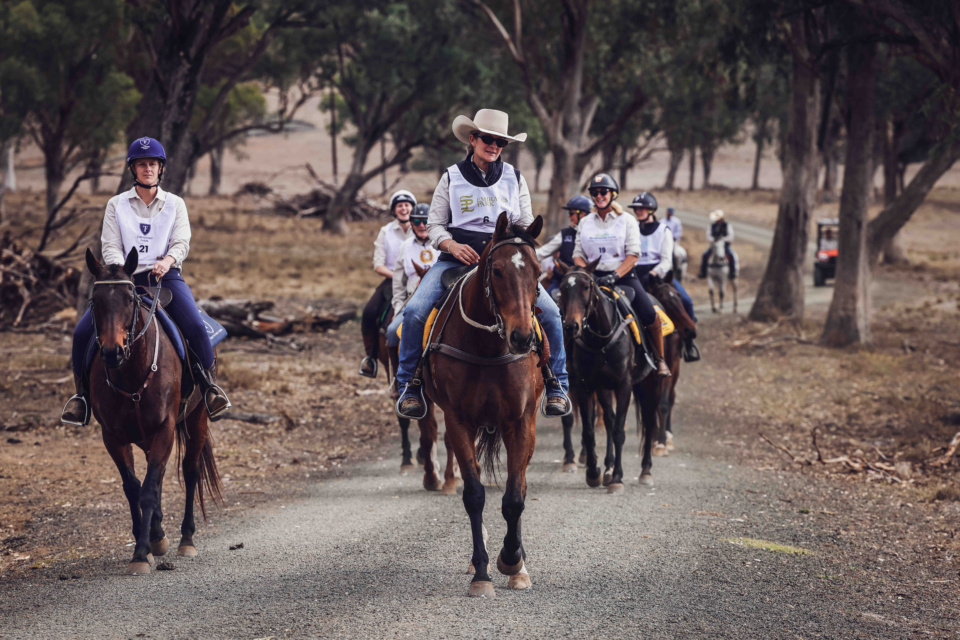
Dr Susie O’Neill is the CEO of KIDS Foundation and the founder of Tour d’Horse, a six-day, 200…

Posted on 13 May 2026
Forty-two years after sexual harassment became illegal in Australian workplaces, and despite the Me…

Posted on 07 May 2026
A bold use of new technology to transform a contact centre phone line into a genuinely national…

Posted on 06 May 2026
$386 billion is quite a chunk of change. That's how much is earmarked for the AUKUS defence deal…

Posted on 06 May 2026
A landmark multimillion-dollar sector-led national initiative to build the digital capabilities of…
Posted on 06 May 2026
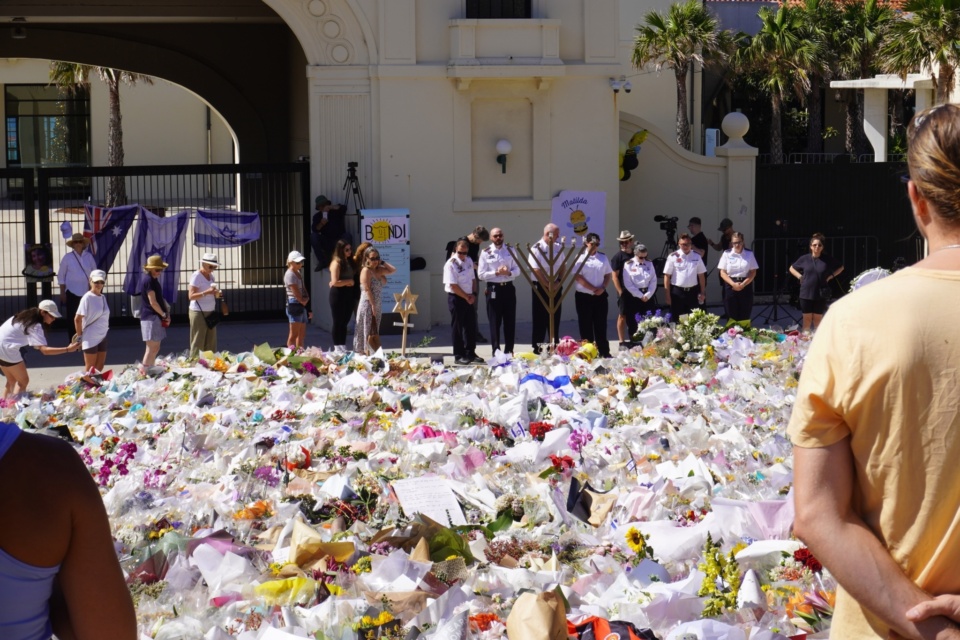
Institute of Community Directors Australia executive director Adele Stowe-Lindner has applauded the…

Posted on 06 May 2026
Communication is everything. That was the key takeout from a webinar held late last week that…

Posted on 06 May 2026
Small Australian charities with international reach have rated well in a just-released Australian…