
Disability savings directed straight to defence in a mixed Budget
Posted on 13 May 2026
There are few surprises in the federal Budget. The flagged reforms are welcome, although…
Posted on 28 Jan 2025
By Greg Thom, journalist, Institute of Community Directors Australia

The announcement of a new multi-million-dollar children’s medical research facility has been hailed as a shining example of the ability of targeted philanthropy to make a difference in people’s lives.
The Children’s Centre for Transplantation and Research at the Children’s Hospital at Westmead (CHW) in Sydney will focus on improving the lives of children requiring organ transplants.
The Centre will bring together world-leading research to improve the effectiveness of life-saving transplants and could help some children avoid the need for transplant surgery altogether.
The state-of-the-art facility has been made possible by a $3 million donation to the Sydney Children’s Hospital Foundation (SCHF) by the James Fairfax Foundation.
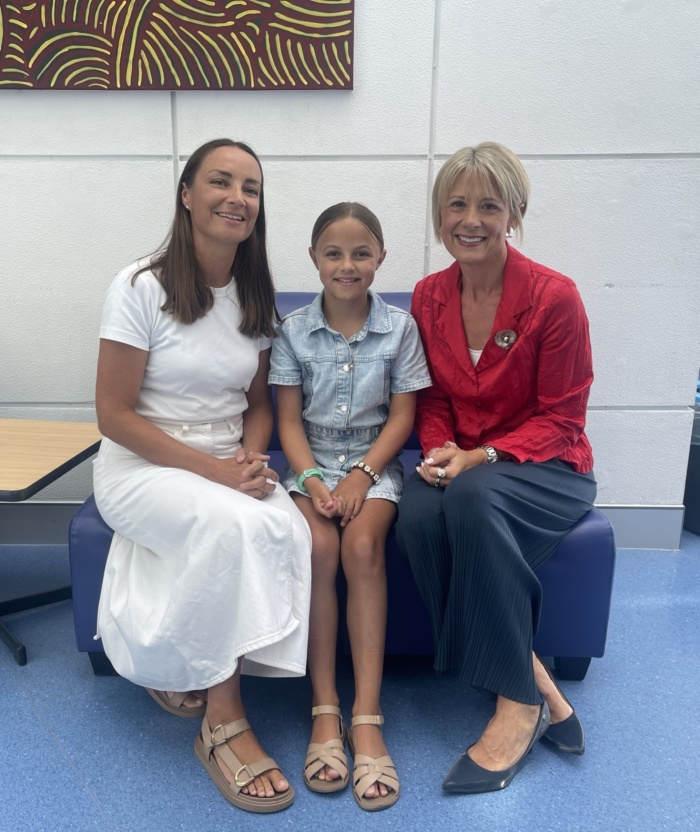
SCHF CEO Kristina Keneally said philanthropy had helped fund advances in research and technology that have improved the lives of sick children battling life-limiting medical conditions.
“Nonetheless, they still need our help to manage chronic and complex ongoing conditions,” she said.
“Philanthropy has the power to supercharge the care that these children receive. It accelerates research and paediatric health outcomes and delivers breakthroughs, milestones, turning points and world firsts.”
Edward Simpson, chair of the James Fairfax Foundation, said he believed the Foundation had a responsibility to support “transformative” projects such as the Children’s Centre for Transplantation and Research.
“This Centre has the potential to dramatically advance the health and wellbeing of unwell children facing life-threatening conditions,” he said.
“By investing in cutting-edge research and technology, we’re proud to give these children and their families new hope and longer lives.
“We hope our generosity inspires other organisations to join us in supporting this groundbreaking initiative.”
Keneally said the Centre would need an additional $1.77 million philanthropic contribution for its initial five years of development and ongoing operation.
“On behalf of all the children requiring a transplant each year, we’re so thankful for the James Fairfax Foundation’s generosity in getting us started, but there is still more work to be done, and more support needed.”
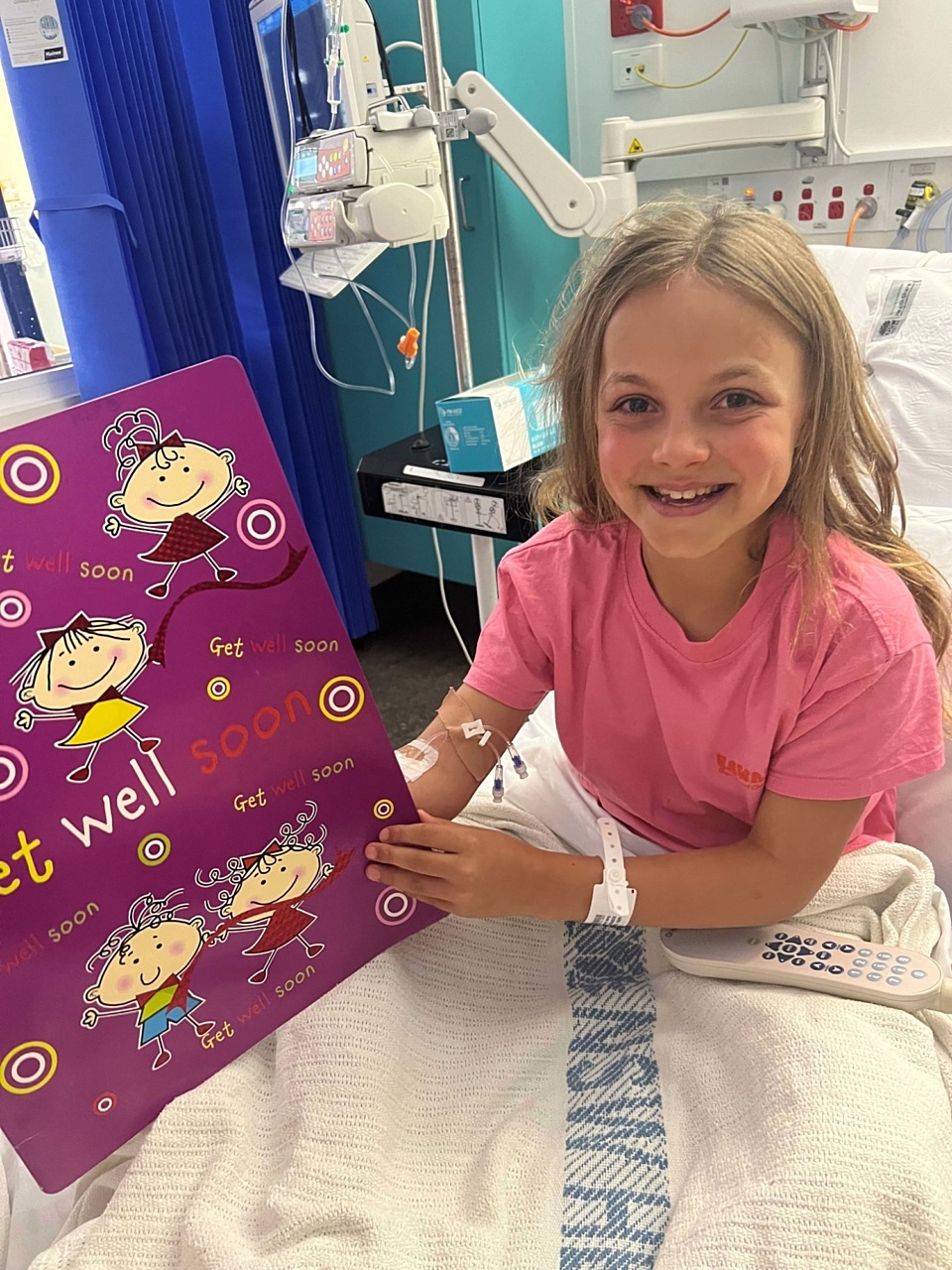
“Philanthropy has the power to supercharge the care that these children receive. It accelerates research and paediatric health outcomes and delivers breakthroughs, milestones, turning points and world firsts.”
Opening new medical frontiers
Professor Gordon Thomas, paediatric transplant surgeon at CHW, said organ transplantation was a vital component of healthcare for children with serious conditions.
However, a transplant, in its current form, is a temporary fix, not a cure.
“Transplants are highly invasive, can have long wait times and, at present, means a lifetime of immuno-suppressive drugs,” said Professor Thomas.
It is hoped the Foundation's donation will help the Centre to become a world leader in trialling potential therapies using machine perfusion.
A perfusion machine enables donated organs to live outside the body, and the Centre will use it to research ways to decrease the possibility of rejection of a donor organ.
The goal will be to use this same research to genetically repair organs that are not working properly, without the need for a transplant.
Professor Ian Alexander, head of the Gene Therapy Research Unit at CHW, said the hospital was collaborating with the Children’s Medical Research Institute and Royal Prince Alfred Hospital to carry out preliminary work involving adult organs on this type of machine.
He said the team had recently become the first medical researchers on the planet to test gene transfer technology in this way.
“In this proposed new facility, where organs can be maintained on these sophisticated pieces of equipment, we can actually go in and test whether our gene repair technology and experimental therapies work in human tissue,” said Professor Alexander.
“This, in turn, dramatically increases the likelihood of therapeutic success when trialled in children.”
Posted on 13 May 2026
There are few surprises in the federal Budget. The flagged reforms are welcome, although…

Posted on 13 May 2026
Is it possible that Australians are revelling in demented hysteria at the moment, imagining all…

Posted on 13 May 2026
Doug Taylor, the CEO of The Smith Family, a children’s education charity, and also a teacher of…
Posted on 13 May 2026
Last night’s federal Budget was a mix of attempted wealth redistribution through significant…
Posted on 13 May 2026
Dr Susie O’Neill is the CEO of KIDS Foundation and the founder of Tour d’Horse, a six-day, 200…

Posted on 13 May 2026
Forty-two years after sexual harassment became illegal in Australian workplaces, and despite the Me…
Posted on 07 May 2026
A bold use of new technology to transform a contact centre phone line into a genuinely national…
Posted on 06 May 2026
$386 billion is quite a chunk of change. That's how much is earmarked for the AUKUS defence deal…

Posted on 06 May 2026
A landmark multimillion-dollar sector-led national initiative to build the digital capabilities of…
Posted on 06 May 2026
Institute of Community Directors Australia executive director Adele Stowe-Lindner has applauded the…

Posted on 06 May 2026
Communication is everything. That was the key takeout from a webinar held late last week that…

Posted on 06 May 2026
Small Australian charities with international reach have rated well in a just-released Australian…