
Disability savings directed straight to defence in a mixed Budget
Posted on 13 May 2026
There are few surprises in the federal Budget. The flagged reforms are welcome, although…
Posted on 31 Oct 2023
By Greg Thom, journalist, Institute of Community Directors Australia
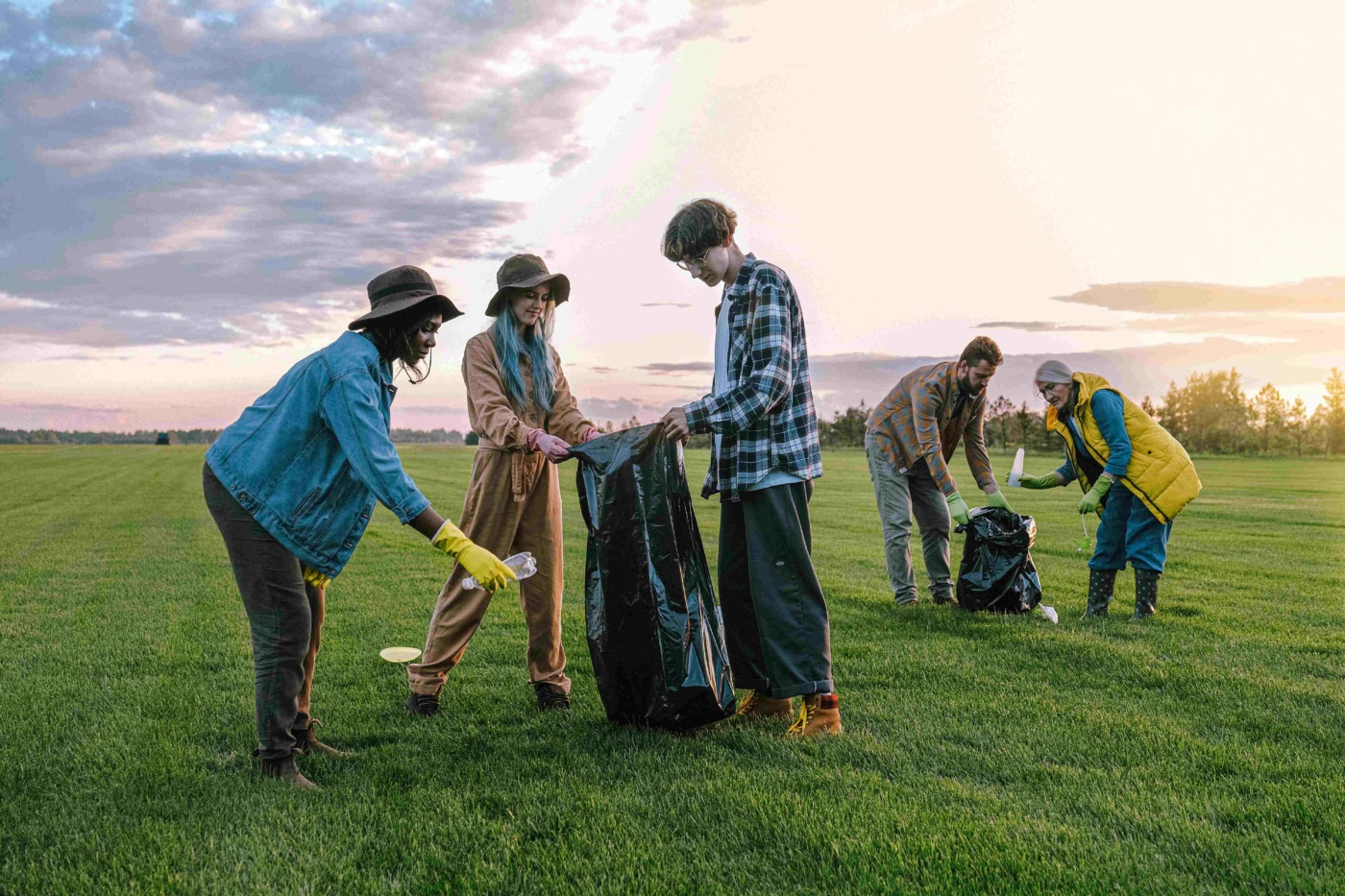
After falling dramatically during the pandemic, volunteering rates are yet to fully recover to their pre-covid levels, according to new research.
The study by the Australian National University Centre for Social Research & Methods found there had been a “small but significant’’ increase in volunteering in the 12 months to April 2023, but it was not large enough to offset the covid decline.
The report Ongoing Trends in Volunteering in Australia also found volunteering levels are strongly affected by shifts in the social and economic landscape, education and mental health.
Key findings from the ANU study were shared this week as part of the webinar “Trends in volunteering: insights from 2023”, organised by Volunteering Australia under the National Strategy for Volunteering.
The study, part of an ongoing series led by Professor Nicholas Biddle and Professor Matthew Gray, both from ANU, also revealed:
The yearly longitudinal survey began in 2019 just before the onset of the pandemic and includes statistics for the 12 months to April 2023.
“Most of the benefits from volunteering come from whether you do it or not, not the number of hours."
Dr Biddle said while volunteering rates have been slowly recovering since the dramatic falls in response to the pandemic, a corresponding fall in the average number of number of hours spent volunteering was cause for concern.
In the year to April 2023, survey participants estimated they spent an average 151 hours volunteering – almost 30 hours less than the 180 volunteer hours clocked up in the previous 12 months.
Women and older Australians continued to volunteer at higher rates than men.
“While increase in [participation] rates is obviously a positive, if we’re thinking about the support and the services and the benefits to the community of volunteering, a good news story is tempered a little by that drop in intensity,” said Dr Biddle.
Those who had volunteered fewer hours in the past were also more likely to stop doing so altogether.
“Most of the benefits from volunteering come from whether you do it or not, not the number of hours,” said Dr Biddle.
The study found that poor mental health and poor wellbeing appeared to be a barrier to volunteering. “Positive mental health is strongly correlated with higher rates of volunteering,” said Dr Biddle.
People dealing with severe psychological distress were less likely to volunteer (28.4%) than those with moderate (31.3%) or low (34.5%) levels of psychological distress.
“Volunteering can support people’s life satisfaction and wellbeing, but this data shows those who might be struggling with mental health in the absence of volunteering they are less likely to volunteer themselves,” said Dr Biddle.
Many disadvantaged Australians were missing out on multiple levels, he said.
“If we think about the demand and the requirement for the services that volunteers provide then there’s kind of a double negative here.
‘’Fewer people get the benefit of volunteering if they’re living in disadvantaged areas, but there are fewer people getting the benefit of volunteers if they’re living in relatively disadvantaged areas.”
Dr Biddle said the latest round of research confirmed that volunteering supports the delivery of crucial social services and contributes to the broader wellbeing of individuals and communities.
“However, a targeted approach is needed to identify those with low predicted levels of volunteering to create new opportunities to contribute to the community.’’

Volunteering Australia deputy CEO and policy director Sue Regan gave webinar participants an update on other research projects being conducted as part of the National Strategy on Volunteering, including:
“Research is vital to the National Strategy for Volunteering,” said Ms Regan.
‘’Data such as that released by Nick and his colleagues today will be invaluable in assessing the progress of the national strategy and useful of course for the monitoring of the evaluation framework which is currently in development.”
Posted on 13 May 2026
There are few surprises in the federal Budget. The flagged reforms are welcome, although…

Posted on 13 May 2026
Is it possible that Australians are revelling in demented hysteria at the moment, imagining all…

Posted on 13 May 2026
Doug Taylor, the CEO of The Smith Family, a children’s education charity, and also a teacher of…
Posted on 13 May 2026
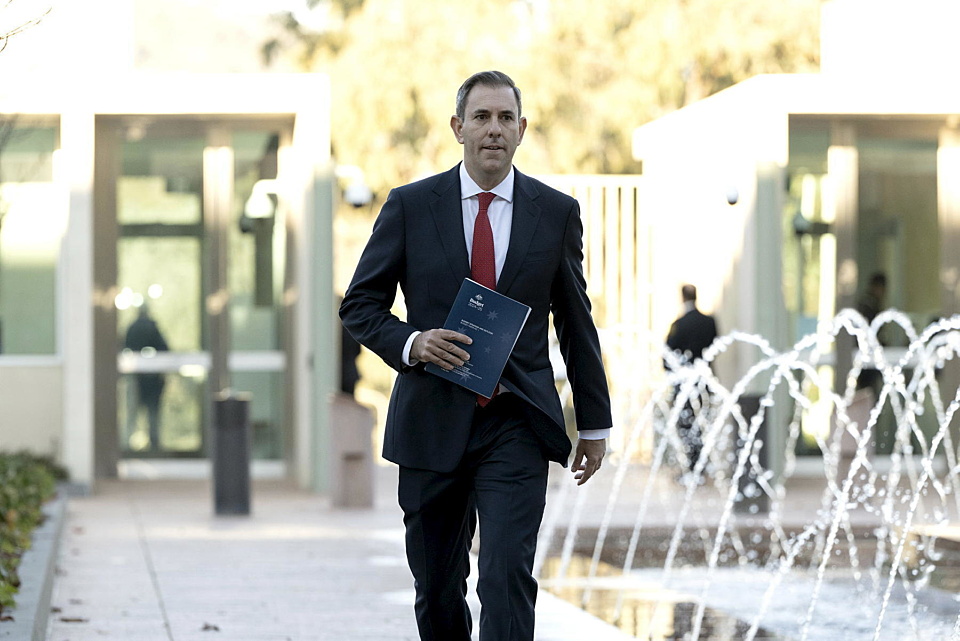
Last night’s federal Budget was a mix of attempted wealth redistribution through significant…
Posted on 13 May 2026
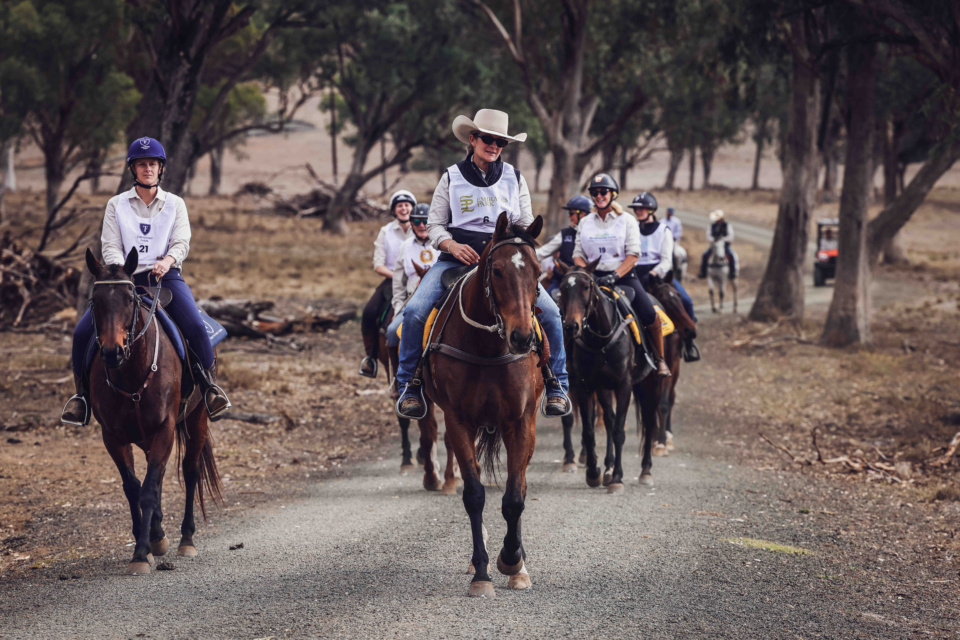
Dr Susie O’Neill is the CEO of KIDS Foundation and the founder of Tour d’Horse, a six-day, 200…

Posted on 13 May 2026
Forty-two years after sexual harassment became illegal in Australian workplaces, and despite the Me…

Posted on 07 May 2026
A bold use of new technology to transform a contact centre phone line into a genuinely national…

Posted on 06 May 2026
$386 billion is quite a chunk of change. That's how much is earmarked for the AUKUS defence deal…

Posted on 06 May 2026
A landmark multimillion-dollar sector-led national initiative to build the digital capabilities of…
Posted on 06 May 2026
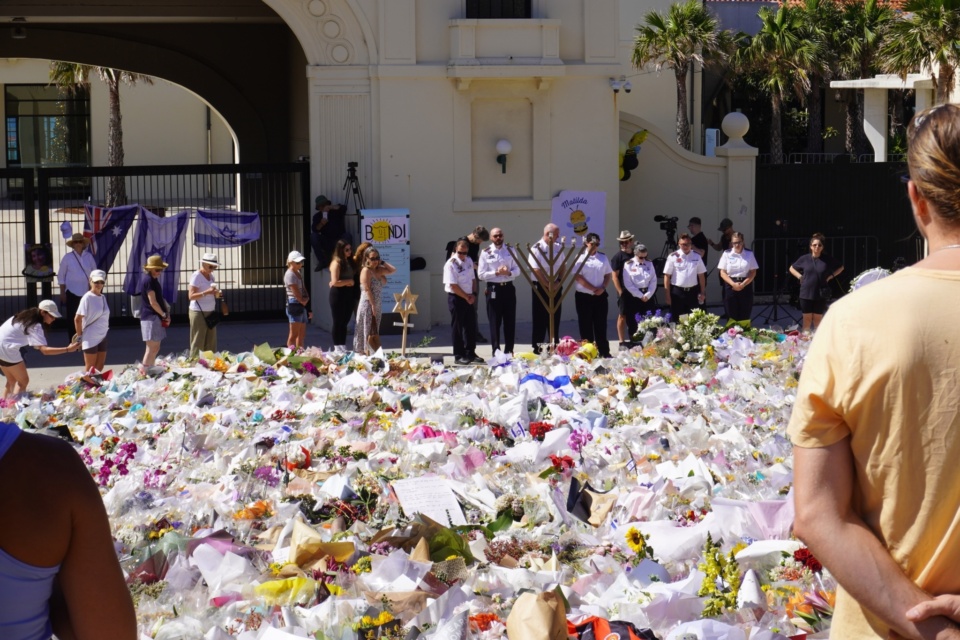
Institute of Community Directors Australia executive director Adele Stowe-Lindner has applauded the…

Posted on 06 May 2026
Communication is everything. That was the key takeout from a webinar held late last week that…
Posted on 06 May 2026
Small Australian charities with international reach have rated well in a just-released Australian…