Nicko Test
Posted on 28 Jan 2026
Headline 2 Headline 3 Headline 4 Headline 5 You’re in a desert walking along in the sand when all…
Posted on 14 May 2024
By Greg Thom, journalist, Institute of Community Directors Australia

The education focused not-for-profit Skyline Education Foundation Australia is considering extending its four-day work week pilot.
The Melbourne-based enterprise, which helps economically and socially disadvantaged students to achieve their full potential, is the latest organisation to investigate the benefits of four days’ work for five days’ pay.
Skyline CEO Bridget Sutherland said the NFP was looking to extend the three-month pilot, which began in February, for a further three months.
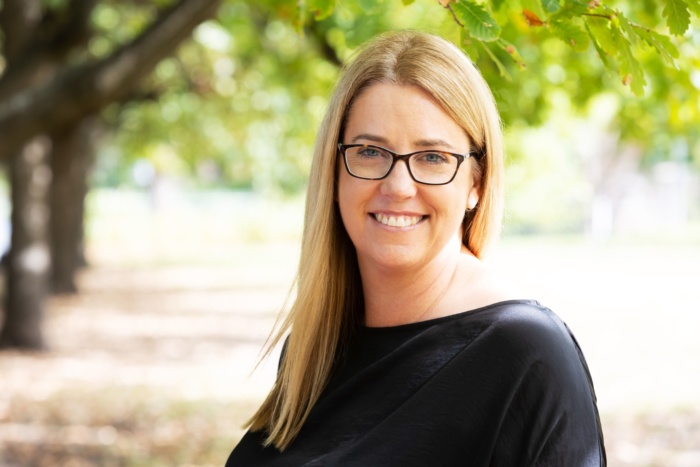
“So far things are going well, and it [the pilot] has been well received by the team,” said Ms Sutherland.
“We still have some tweaks to make to ensure it’s a continuing success.”
Skyline Education Foundation is part of a global trend among organisations which places a high priority on workplace flexibility, particularly in the wake of the upheaval caused by the pandemic.
The 4 Day Week Global movement, founded in 2019 in New Zealand by Andrew Barnes and Charlotte Lockhart, seeks to reshape the way the world thinks about work by moving the conversation away from hours in favour of productivity and output.
“In today's workplace in a post-pandemic era, prioritising flexibility is a part of valuing our people and keeping those work practices that have worked well for us,” said Ms Sutherland.
Embracing the four-day work week was also a way to acknowledge the commitment of Skyline employees, who often worked outside traditional hours.
“It's also about redefining productivity, embracing the many technologies that help us to do that and fostering a culture of work-life balance.”
Ms Sutherland said she had met with representatives from Our Community – which officially adopted a four-day work week in November 2022 – to learn more about the social enterprise’s experience and what the company had learned.
“In today's workplace in a post pandemic era, prioritising flexibility is a part of valuing our people and keeping those work practices that have worked well for us.”
Our Community was the only Australian firm to join the world's biggest trial of the four-day working week in June 2022.
The organisation made the move permanent a month before the end of the six-month trial, adopting 4 Day Week Global’s preferred 80-100-100 model (80% time, 100% pay, 100% productivity).

In the foreword to a report assessing the effectiveness of the change, titled A Better Work-Life: Lessons in shifting to a four-day work week, Our Community group managing director Denis Moriarty paid tribute to internationally renowned time management expert Oliver Burkeman for helping inspire the decision.
Mr Burkeman’s book Four Thousand Weeks – named for the average life span of a human – points out that humans have a finite number of weeks in their lives, so they should use the time well.
Mr Burkeman said people needed to focus on what’s in front of them right now, rather than wonder what they could or should be doing instead.
“The construction of a new type of weekly schedule is the gift of a provocation as well as the gift of time itself,” said Mr Moriarty.
“It offers an opportunity to rethink how we choose to work and live. At Our Community, we have embraced this opportunity.”
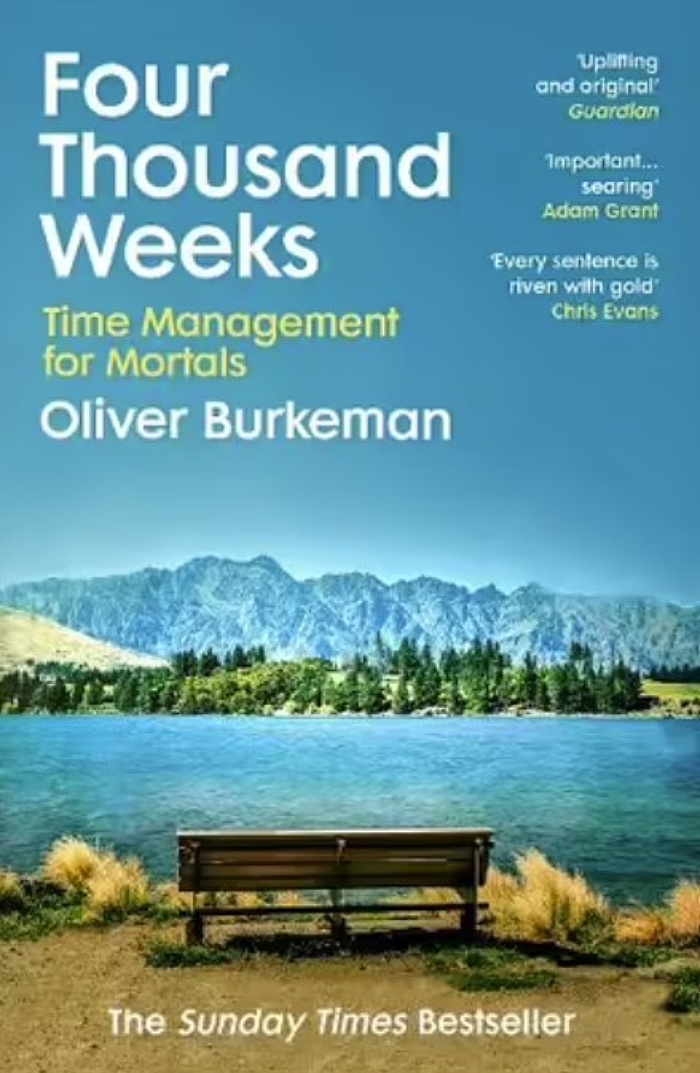
Mr Burkeman was a guest speaker this week at the Communities in Control 2024: Exploring the future of leadership conference.
In his keynote address, the best-selling author said he was on a mission to help people rethink their relationship with time and, in the process, liberate them from its grasp.
“It really is shocking how brief our time on this planet is," said Mr Burkeman, who questioned whether many of us were spending our busy lives on things that were actually worth doing, or were doing things with "joyless urgency".
Mr Burkeman outlined five principles designed to help people embrace, rather than fear, the limitations of time.
It's impossible to fit in everything we think needs to be done. Choose what to fail at in advance and concentrate on what's really important.
You can never truly "clear the decks" to get to the important tasks such as answering every email as quickly as possible – there will always be more. Reward yourself by placing time boundaries around the things that are important to you.
Supercharge the "power of patience."
Keep a "done" list as a reward along with your "to do" list.
Break the mindset that things that matter, such as spending more time with friends, or doing something you love, can only be addressed later. Devote time to them now.
"At some point, the thing that is waiting to be done has to be done now," said Mr Burkeman.
Posted on 28 Jan 2026
Headline 2 Headline 3 Headline 4 Headline 5 You’re in a desert walking along in the sand when all…
Posted on 28 Jan 2026
Headline 2 Headline 3 Headline 4 Headline 5 You’re in a desert walking along in the sand when all…
Posted on 28 Jan 2026
Headline 2 Headline 3 Headline 4 Headline 5 You’re in a desert walking along in the sand when all…
Posted on 28 Jan 2026
Headline 2 Headline 3 Headline 4 Headline 5 You’re in a desert walking along in the sand when all…
Posted on 28 Jan 2026
Headline 2 Headline 3 Headline 4 Headline 5 You’re in a desert walking along in the sand when all…
Posted on 28 Jan 2026
Headline 2 Headline 3 Headline 4 Headline 5 You’re in a desert walking along in the sand when all…
Posted on 28 Jan 2026
Headline 2 Headline 3 Headline 4 Headline 5 You’re in a desert walking along in the sand when all…

Members Only
Posted on 19 Nov 2025
When it comes to loyalty to car brands, it can be confusing who we should support, and, even more…

Posted on 19 Nov 2025
The not-for-profit (NFP) sector has been urged to press on with reforms outlined in a…

Posted on 19 Nov 2025
It pays to check your receipts. The Australian Charities and Not-for-profits Commission (ACNC) has…
Posted on 19 Nov 2025
Recent questioning of the model behind Charitabl is a mix of misunderstanding and potentially…
Posted on 19 Nov 2025
Lora Inak is the author of the Cockatoo Crew books, a new children’s fiction series (illustrated by…