Sector on alert as sophisticated scams target NFPs
Posted on 30 Sep 2026
I am checking if this is in the right spot. Let's see.
Posted on 17 Sep 2025
By Nick Place, journalist, Institute of Community Directors Australia
Australian environmental charities have given mixed feedback on the federal government’s National Climate Risk Assessment, although their call for strong action to cut climate pollution has been almost universal.
The CEO of Greenpeace Australia Pacific, David Ritter, complimented the government on its honesty within the report, and for releasing the accompanying national adaptation plan.
“It’s good to see the Australian government be straight with us all about the scale of the challenge that global warming presents to Australia and the Australian people, but also what can and must be done in terms of a national safety net for all Australian citizens and in terms of a proper acknowledgement that everything we care about, everything we love, depends on a flourishing environment,” he said.
However, Ritter added that Greenpeace believed there was a gaping hole in the assessment’s narrative. “There’s one thing that is missing from what’s been published, and that is a really clear acknowledgement that climate change is not something passive that is happening,” he said. “It’s something that is being done to us and to the world that we love, and it’s being done to us primarily by the coal, oil and gas corporations that are continuing to expand, producing more pollution that is driving the climate emergency.

“So, here’s the thing: we must have a national adaptation plan to keep people safe, to preserve nature, but we’ve also got to put out the fire, and that means no expansion of coal, oil and gas and a phase down in emergency speed and scale. That’s what is to be done.”
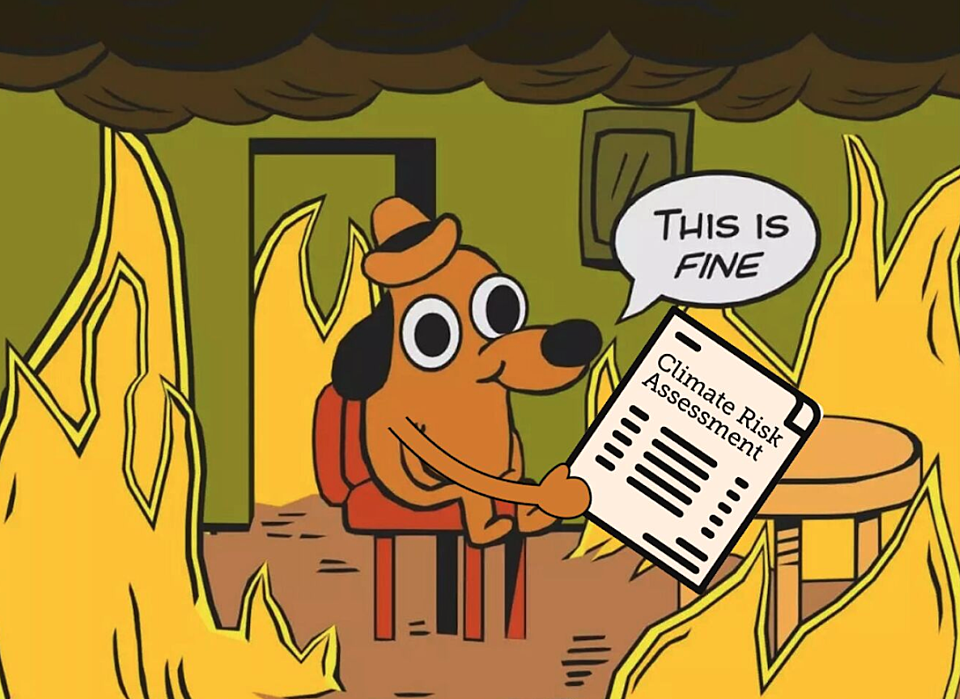
The Climate Council made its position clear by publishing a take on the “everything’s fine” meme, while CEO Amanda McKenzie listed the most alarming aspects of the risk assessment’s findings.
“[The National Climate Risk Assessment] is vital and horrifying reading about how the climate crisis is likely to unfold through this century,” she wrote. “Massive increases in heat-related deaths in Australian cities; 18 times more coastal flooding due to sea level rise; 4–10 times more marine heatwave days which harm/kill coral reefs and fisheries.”
“However, it is not a given,” McKenzie continued. “We can reduce climate risk significantly, protecting all we hold dear, by cutting climate pollution at its source: coal, oil and gas.”
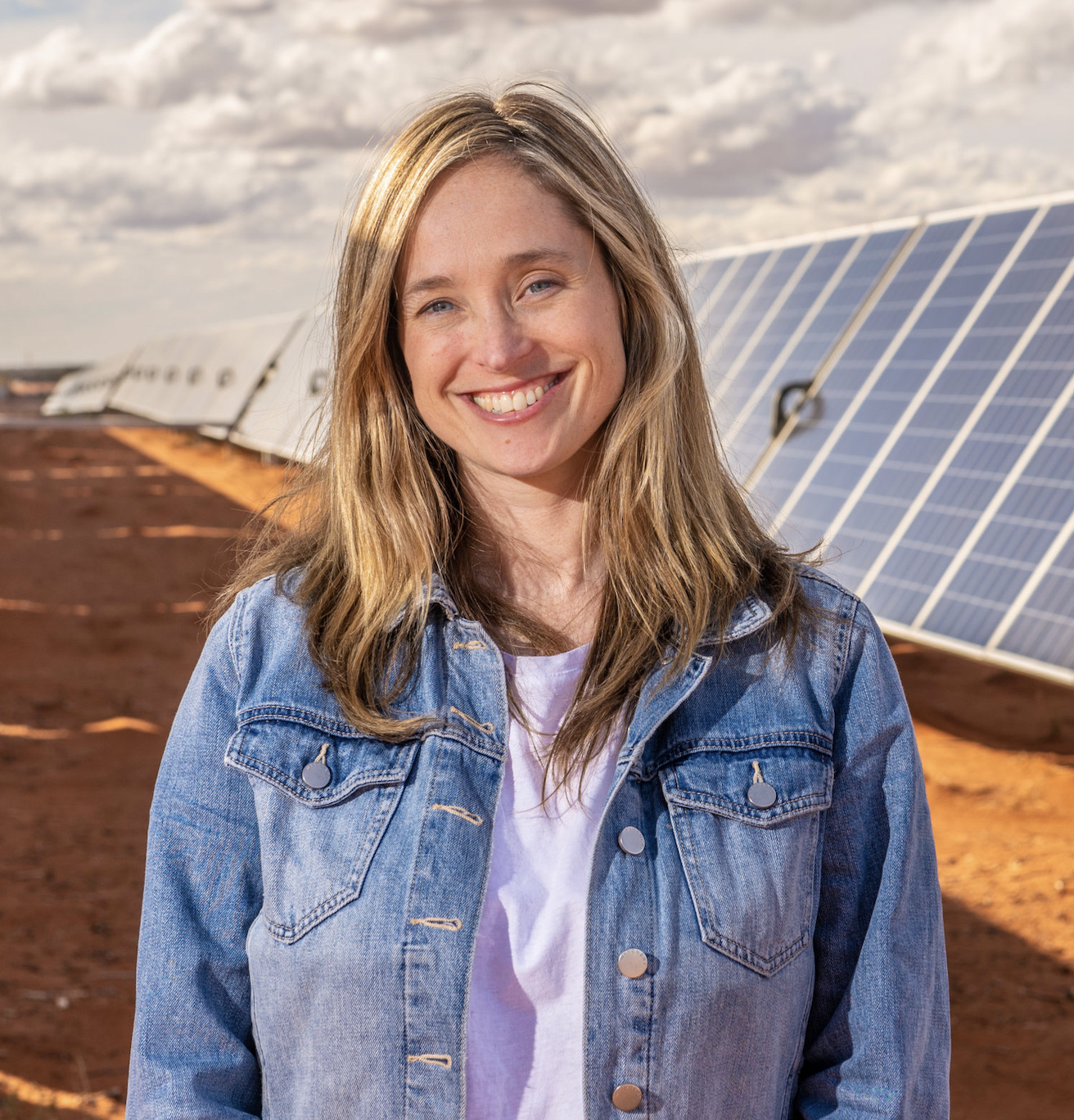
In an official release, the Climate Council said, “The choices we make today – on how rapidly we cut climate pollution over coming years – will determine exactly how dangerous our future becomes. The national risk assessment outlines the worst risks that Australia faces, from extreme heat, to flooding and drought, into the future. The only solution is to rapidly slash climate pollution from coal, oil and gas, and replace energy sources with clean alternatives.
“The report comes as the Australian Government sets a 2035 climate target. In doing so it is making a choice on how much harm to Australia it is willing to accept, as Australians experience increasingly catastrophic impacts on our way of life.”
Committee for Economic Development of Australia (CEDA) senior economist Liam Dillon said the assessment identified 63 nationally significant climate risks, with an additional seven risks specific to Aboriginal and Torres Strait Islander communities.
“While there are many striking and disquieting findings in the report, some that stand out include [that] over 1.5 million Australians will be living in areas exposed to sea level rises and coastal flooding by 2050; the equivalent of 2.7 million days of work will be lost annually by 2061 due to heat effects; and labour productivity could decrease by 0.2–0.8 per cent by 2063, reducing economic output by $135 billion to $423 billion,” he said.
“Climate change is not something passive that is happening. It’s something that is being done to us and to the world that we love.”
Speaking on ABC TV on Monday afternoon, the Queensland Nationals’ Senator Matt Canavan accused the government of cherry-picking “the most extreme and outrageous scenarios to justify what they already want to do”.
“It’s clear the government wants to increase its climate targets,” he said. “Clear the government wants to increase carbon taxes on Australians. They want to massively expand the intrusion of government in your life. And so they released this report, the government’s released this report, to try and scare people into accepting such change.”
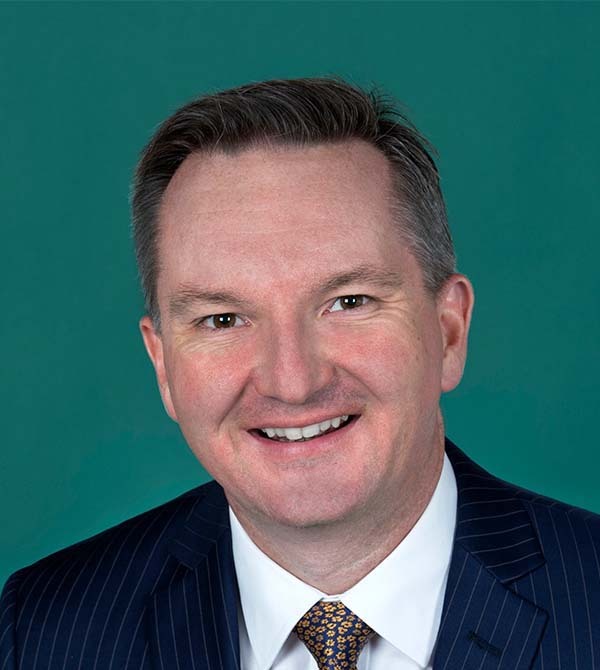
All sides of the environmental argument are now waiting for the government’s 2035 emissions reduction target, which is expected to be released within days. The Guardian pointed to the delicate dance the government is attempting, as Climate Change Minister Chris Bowen acknowledged the “complicated and complex challenges” of transitioning to net zero emissions. Just one business day earlier, Environment Minister Murray Watt confirmed that he had approved a possible extension of the North West Shelf liquified natural gas export facility, which would have the potential to release enormous amounts of carbon dioxide into the atmosphere for the next four decades.
The Climate Council published a detailed briefing paper to make it clear where it stands on the level of the emissions cut required, and launched a petition aimed at pressuring the government to not blink on strong action.
“Net zero by 2035 is the only target available to Australia that provides a strong chance of contributing to holding global heating below 2°C,” the briefing paper said. “The higher the Government sets our climate target, the more they will be doing to help keep Australians safer.”
To read the National Climate Risk Assessment, click here.
Posted on 30 Sep 2026
I am checking if this is in the right spot. Let's see.

Posted on 30 Sep 2026
More than 200 fully funded Centre for Social Impact (CSI) scholarships will help equip for-purpose…

Posted on 30 Sep 2026
Personal stories are among the most powerful tools a charity can have to raise funds and awareness,…
Posted on 23 Sep 2026
A just-released major global survey of charities has found that demand for charity assistance has…

Posted on 23 Sep 2026
Fresh from welcoming delegates to last week’s Philanthropy Australia conference in Brisbane,…

Posted on 23 Sep 2026
A national strategy to develop Australia's regional cities is needed to break the housing…
Posted on 23 Sep 2026
Eight years after a report to Treasury first suggested the charities regulator should be more…

Posted on 17 Sep 2026
Australia’s biggest gathering of philanthropists, which drew more than 1200 delegates to Brisbane…
Posted on 16 Sep 2026
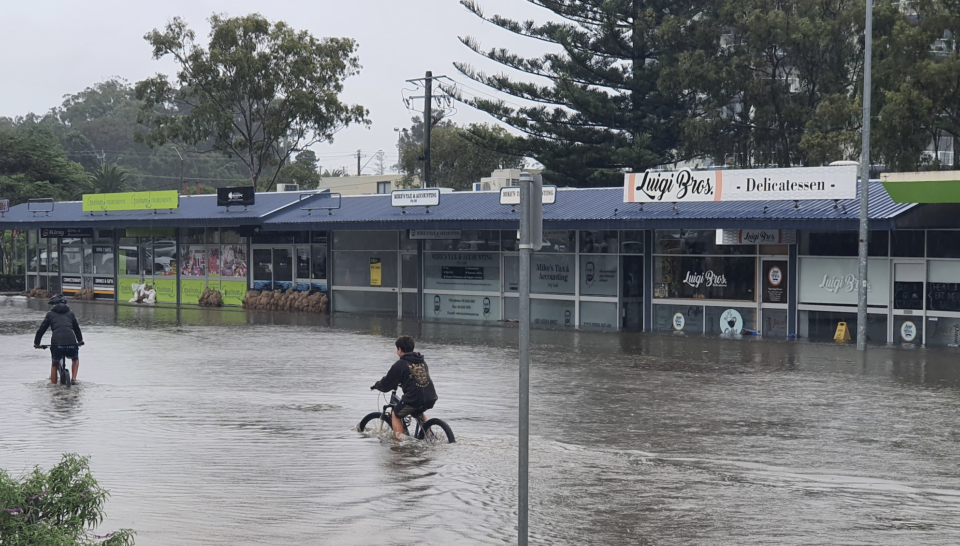
A new partnership between Paul Ramsay Foundation (PRF) and Atlassian Foundation aims to attract…

Posted on 16 Sep 2026
While there is no shortage of studies examining not-for-profits from every angle, a new research…
Posted on 16 Sep 2026
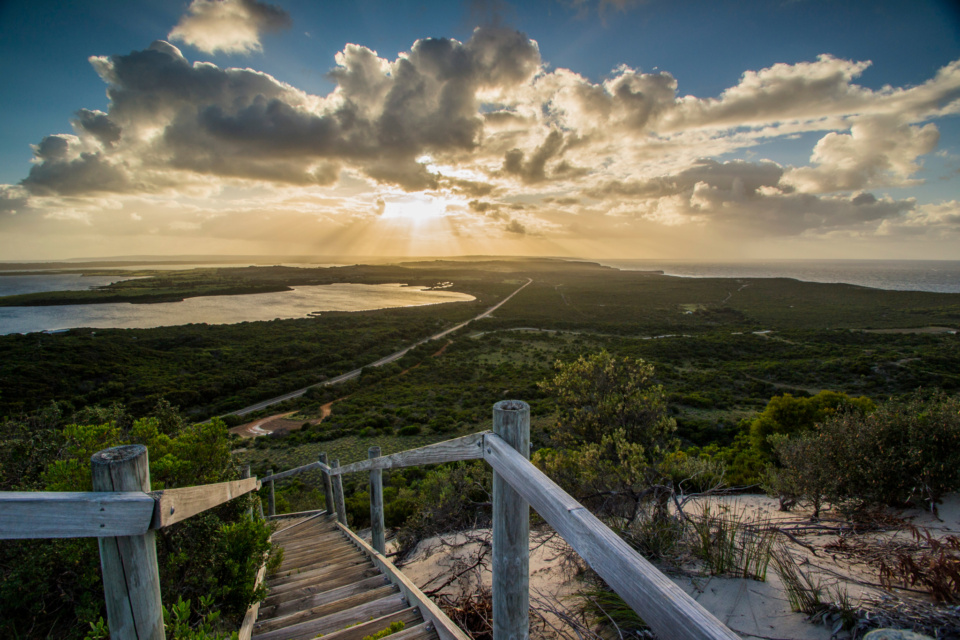
Tourism is a large source of income for Kangaroo Island, 210 km south-west of Adelaide, but the…
Posted on 16 Sep 2026
In the face of challenging conditions in the giving sector, UNICEF Australia chief executive Tony…