
Philanthropists ask: Can we forge a better future?
Posted on 17 Sep 2026
Australia’s biggest gathering of philanthropists, which drew more than 1200 delegates to Brisbane…
Posted on 07 Feb 2024
By Nina Laitala, lead trainer, Institute of Community Directors Australia

Collaboration is the key to success for a resource starved not-for-profit sector, says Nina Laitala, lead trainer, Institute of Community Directors Australia.
A concern shared by many NFPs across Australia is a lack of resources, whether it’s funding, time, volunteers, skills, diversity of thought, or experience on the board. This will come as no surprise to anyone working in the sector.

So, what can we do about it?
By design, the sector relies on volunteers, members, staff and other concerned people to do the work we do. The problems we’re trying to solve can’t be solved by just one organisation, so we must work together.
In 2024 we will see an increased need for collaboration as the struggle to adequately resource our organisations continues.
When resources are tight, competition becomes fiercer, but it is in these trying circumstances that collaboration is most effective and most powerful. We have many, many NFP and community organisations in Australia and many voices that are fighting to be heard.
So how do we work better together to amplify our messages, use our limited funding more effectively and share volunteers to avoid burnout?
Collaborate requires negotiation skills, including the willingness and ability to compromise and adapt for the sake of the big picture. ICDA has worked with many small organisations in regional communities that have developed effective ways of working together to maximise their individual as well as their collective impact.
"When resources are tight, competition becomes fiercer, but it is in these trying circumstances that collaboration is most effective and most powerful."
Here are some of those techniques that all NFPs and community organisations should be considering:
The organisations we’ve worked with have been able to establish these practices and structures by holding regular network meetings and developing a strong collective understanding of what they are trying to achieve.
This kind of collaborative approach means that individual organisations are able to continue with their specialist work while also contributing to the bigger picture that benefits the broader community.
ICDA looks forward to supporting the sector to create stronger collaborations and partnerships through training, resources, news and information in 2024.
Posted on 17 Sep 2026
Australia’s biggest gathering of philanthropists, which drew more than 1200 delegates to Brisbane…
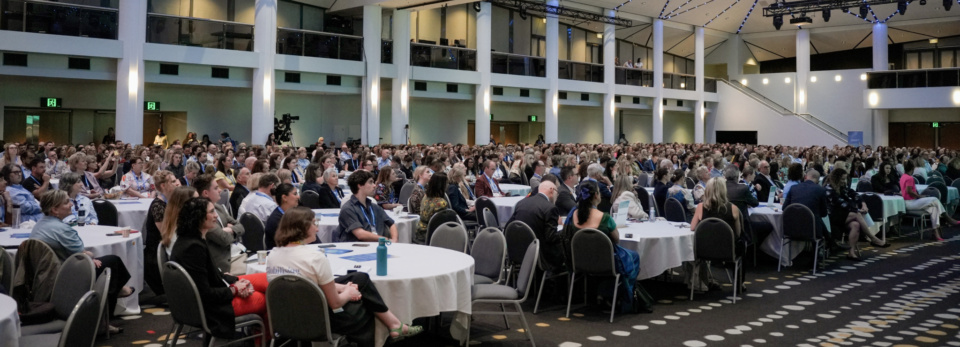
Posted on 17 Sep 2026
Experts in Australian philanthropy say there are stark differences between philanthropic money and…

Posted on 17 Sep 2026
One of Australia’s foremost fundraising observers says Australian not-for-profits must get the…
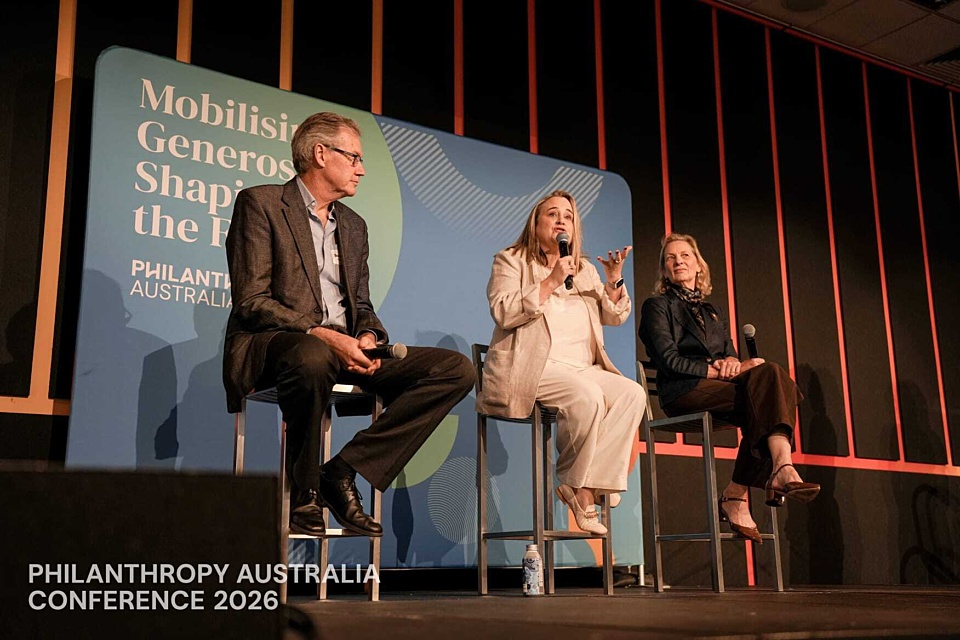
Posted on 17 Sep 2026
As direct giving dries up, charities face growing dependence on big donors and negotiating the…

Posted on 17 Sep 2026
Charities reported $14.8 billion in donations and bequests last financial year, the second-highest…

Posted on 17 Sep 2026
My father often googles my name, and as a result, years ago, I received a surprising gift in the…

Posted on 17 Sep 2026
Where Evelyn Mugisha grew up in rural Uganda, the subjects and careers considered suitable for…
Posted on 09 Sep 2026
A global gathering of philanthropists in Brisbane this week is aiming to tackle society’s biggest…
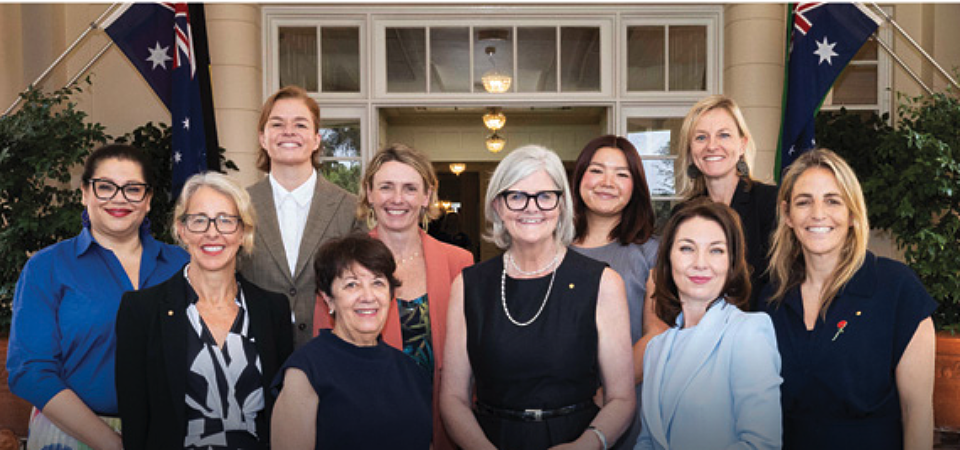
Posted on 09 Sep 2026
Media attention about women's philanthropy has more than doubled in three years, according to new…
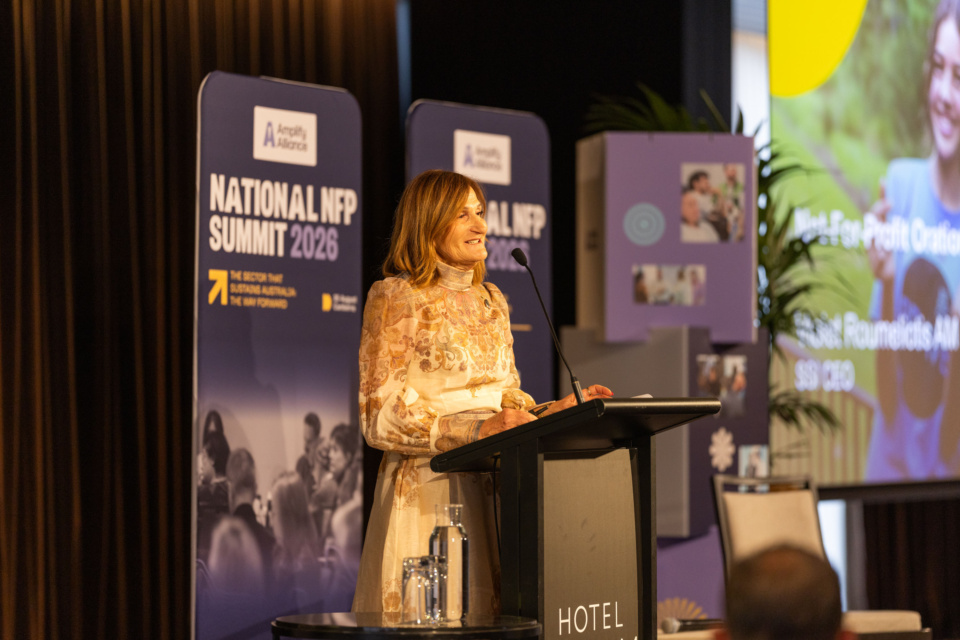
Posted on 26 Aug 2026
Sector leader Violet Roumeliotis has called on funders to stop treating not-for-profit…

Posted on 13 Aug 2026
As a teenager, I attended summer camp for seven years, first spending two weeks at a time camping…

Posted on 13 Aug 2026
Not-for-profits are full of people with great ideas, but that doesn’t mean they are set up for…