
Disability savings directed straight to defence in a mixed Budget
Posted on 13 May 2026
There are few surprises in the federal Budget. The flagged reforms are welcome, although…
Posted on 21 Oct 2024
By Greg Thom, journalist, Institute of Community Directors Australia

Australians hit hard by the cost-of-living want action on everything from rising utility and medical costs to more supermarket competition, as well as a wages boost, new research reveals.
The findings are backed up by other recent NFP and charity sector research reports showing Australians are doing it tough in a multitude of areas from rental affordability to food insecurity.
The national survey by the Australia Institute’s Centre for Future Work revealed support for a “multi-dimensional” approach to tackling the economic crisis, rather than the single-minded strategy of the Reserve Bank to use high interest rates to slow inflation.
The majority of those surveyed believe protecting Australians living standards requires addressing both faces of the economic crisis: incomes and the prices people pay for goods and services.
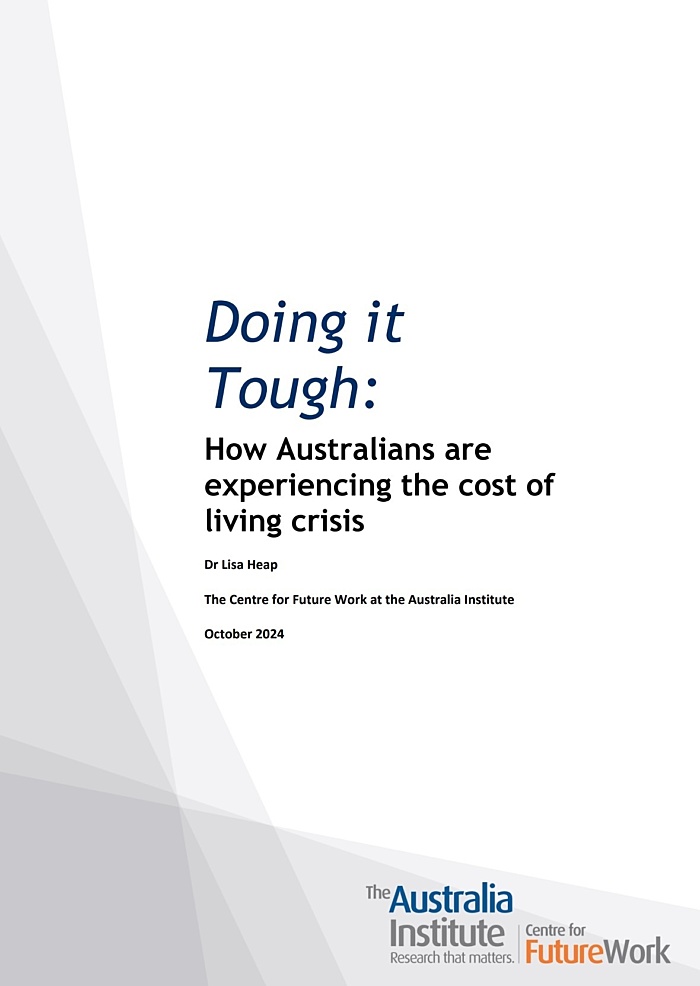
Centre for Future Work senior researcher Lisa Heap said the study Doing it Tough: How Australians are experiencing the cost-of-living crisis is the latest piece of research to confirm that many Australian workers are doing it tough.
“Costs are increasing faster than wages and incomes. Those with less are doing it the toughest,” she said.
The research revealed:
Higher grocery prices were identified by survey respondents as the most visible source of increased cost of living (60%) followed by utilities (21%) and transport (7%).
“The respondents to this survey supported a suite of policy initiatives designed to both reduce the cost of living, and to increase wages and income support,” said Heap.
Nearly two thirds (64%) said it was very important to lower utility costs to reduce cost of living pressures along with increase supermarket competition, while 60% were in favour of lowering medical costs, and 58% want to increase the pace of wages growth.
The report, part of a wider research initiative by the Australia Institute investigating the human toll of the cost-of-living crisis and the impact of austerity on Australian workers, comes hot on the heels of other not-for-profit sector reports also highlighting the impact of tough economic times.
“Costs are increasing faster than wages and incomes. Those with less are doing it the toughest.”
The Anglicare 2024 Rental Affordability Snapshot released last week revealed the ability for many people to secure a roof over their heads has crashed to a record low.
The study found that out of more than 45,000 rental listings across the nation, just 289 premises (0.6%) were affordable for someone earning a full-time minimum wage.
The report also found:

Anglicare released a supplementary report revealing many full-time essential service workers employed full time in hospitality, aged care, emergency services and aged care, were unable to afford rental accommodation.
The report’s findings prompted Anglicare Australia CEO Kasy Chambers to urge the federal Government to return to directly funding and providing housing, rather than leaving it to the private sector. They also called on Canberra to wind back landlord tax concessions.
“It’s been clear for years now that the private rental market is failing people on low incomes. Now it’s clear that it’s also failing our key workers – including those who work full-time,” said Chambers.
“Governments used to provide homes directly to key workers. Now, there isn’t even enough social housing for people at the margins. We need a major investment to turn that around.”
Chambers called on the Government to boost social housing because building homes and hoping affordability would trickle down was simply not working.
She also called for tax reform aimed at putting people in need of homes before property investors,
“Taxpayers should not be funding investors to push up the cost of homes,” Chambers said.
“It has never been more important for Governments to take bold action and ensure everyone has a home.”
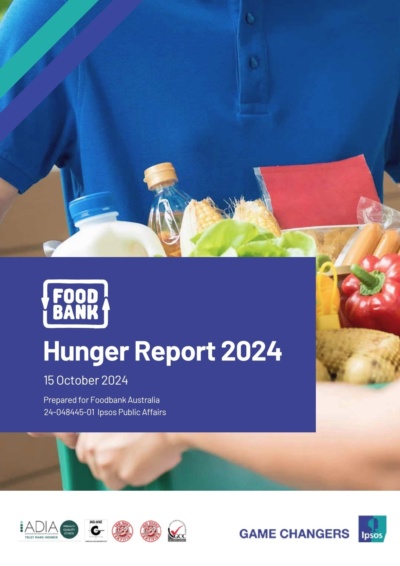
The recently released Foodbank Hunger report 2024 revealed almost half of low-income households have faced food insecurity this year – the worst since the onset of the cost-of-living crisis in 2022.
Foodbank CEO Brianna Casey said economically struggling families who were only just getting by, have now reached their limits.
“They are routinely skipping meals, compromising on the quality and nutrition of their food and going without personal care and household products,” she said.
Casey said the nation’s poorest citizens live with the daily anxiety of not knowing where their next meal will come from and are often forced to choose between buying essentials such as food, housing, and utilities.
“This is no longer a crisis of temporary hardship, but a prolonged, systemic issue affecting millions of Australians.”
New research confirms continued cost-of-living pain for struggling Australians
Posted on 13 May 2026
There are few surprises in the federal Budget. The flagged reforms are welcome, although…

Posted on 13 May 2026
Is it possible that Australians are revelling in demented hysteria at the moment, imagining all…

Posted on 13 May 2026
Doug Taylor, the CEO of The Smith Family, a children’s education charity, and also a teacher of…
Posted on 13 May 2026
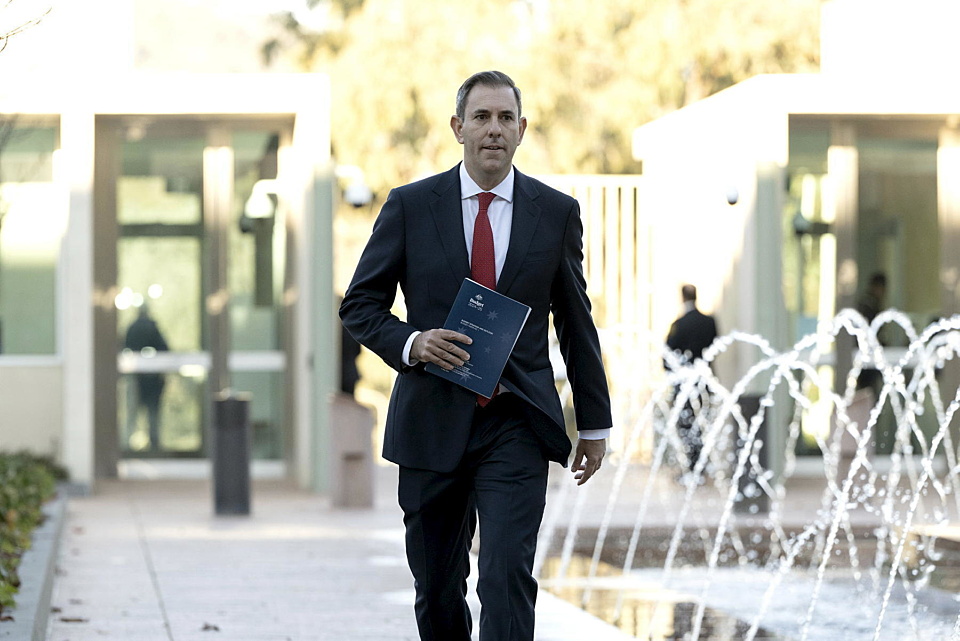
Last night’s federal Budget was a mix of attempted wealth redistribution through significant…

Posted on 13 May 2026
Dr Susie O’Neill is the CEO of KIDS Foundation and the founder of Tour d’Horse, a six-day, 200…

Posted on 13 May 2026
Forty-two years after sexual harassment became illegal in Australian workplaces, and despite the Me…

Posted on 07 May 2026
A bold use of new technology to transform a contact centre phone line into a genuinely national…

Posted on 06 May 2026
$386 billion is quite a chunk of change. That's how much is earmarked for the AUKUS defence deal…

Posted on 06 May 2026
A landmark multimillion-dollar sector-led national initiative to build the digital capabilities of…
Posted on 06 May 2026
Institute of Community Directors Australia executive director Adele Stowe-Lindner has applauded the…

Posted on 06 May 2026
Communication is everything. That was the key takeout from a webinar held late last week that…

Posted on 06 May 2026
Small Australian charities with international reach have rated well in a just-released Australian…