
Disability savings directed straight to defence in a mixed Budget
Posted on 13 May 2026
There are few surprises in the federal Budget. The flagged reforms are welcome, although…
Posted on 21 Nov 2024
By Greg Thom, journalist, Institute of Community Directors Australia
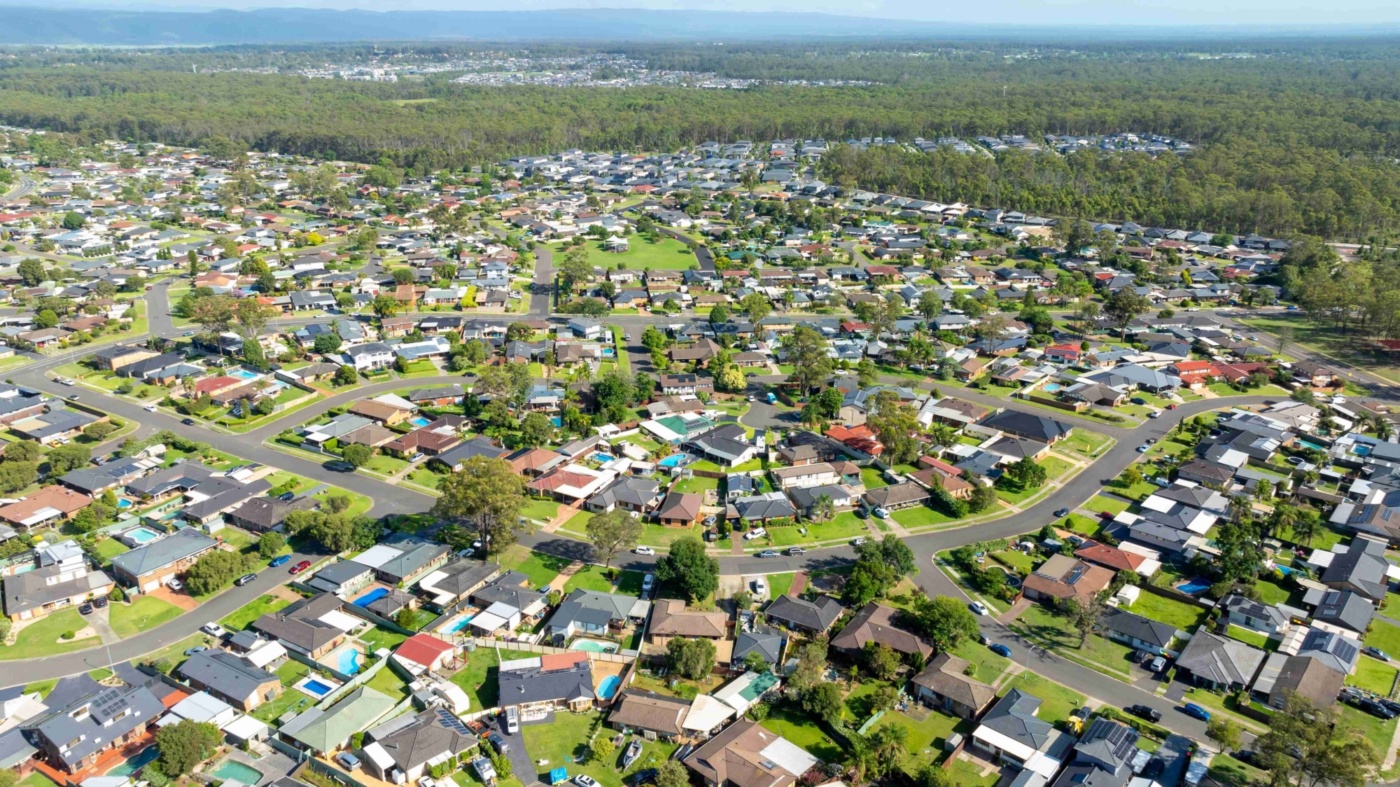
An estimated one in five Australians don’t have adequate access to doctors, schools and sports facilities.
A nationwide study conducted for the National Growth Areas Alliance (NGAA) revealed infrastructure spending by state and federal governments had failed to keep pace in the areas where the nation’s population is growing the fastest.
The state-by-state analysis revealed alarming infrastructure gaps between established suburbs and high-growth outer suburban areas of Australia’s cities.
The research, which was conducted by the RMIT Australian Urban Observatory, found that despite hosting population numbers increasing at twice the national average, high growth areas have significantly lower rates of social infrastructure access than established areas of capital cities in areas including:
The study revealed Victoria has the biggest deficits across three out of four areas measured, including a 53.3% gap in access to health care, a 75.7% gap in sports and leisure facilities and a 77.1% gap in access to arts and culture centres.
Queensland recorded the biggest gap (27.4%) in access to government-run primary and secondary schools, childcare and out of school hours care.
“Without proper access to basic social infrastructure, these families are being set up to fail.”
The report’s findings come as state governments respond to the housing affordability crisis by looking to build more than 250,000 homes in the next five years, many of them in high-growth areas – areas expected to account for 59% of Australia’s population growth.
NGAA CEO Bronwen Clark said that with high-growth areas on track to house seven million people by 2031, it was vital existing issues in infrastructure funding and development are fixed now before new communities are built without the amenities they need to thrive.

“Growth areas are currently home to 5.6 million people who have come to these cities and suburbs on the promise of living the Australian dream of home ownership with room for kids to play in the yard,” said Clark.
“Without proper access to basic social infrastructure, these families are being set up to fail.”
Clark said with growth areas expected to accommodate the bulk of Australia’s population boom in the next six years, it was vital governments move quickly to fix the blind spots in infrastructure investment.
“That’s how we’ll fully realise the potential of these suburbs to solve the housing crisis, without creating new crises for future generations.”
The NGAA used the report’s findings to launch a new funding model at Parliament House in Canberra this week.
The blueprint includes recommendations for both major parties on how they can meet the needs of high-growth communities and win their support in the run-up to the federal election.
“The research focuses on access to a range of social infrastructure, which are predeterminants of health, wealth and happiness for our communities,” said Clark.
“Our funding model outlines the need for increased investment in infrastructure and a whole-of-government approach to its implementation. It’s an opportunity for the major parties to show these voters they are committed to them in the lead-up to the election.”
With growth areas in at least 14 marginal seats across the nation, Clark said there is good reason for politicians to listen to the concerns of residents.
“Growth areas are the potential swing suburbs and cities that could define next year’s federal election,” she said.
Homelessness services close doors in the face of overwhelming demand: report
Posted on 13 May 2026
There are few surprises in the federal Budget. The flagged reforms are welcome, although…

Posted on 13 May 2026
Is it possible that Australians are revelling in demented hysteria at the moment, imagining all…

Posted on 13 May 2026
Doug Taylor, the CEO of The Smith Family, a children’s education charity, and also a teacher of…
Posted on 13 May 2026
Last night’s federal Budget was a mix of attempted wealth redistribution through significant…
Posted on 13 May 2026
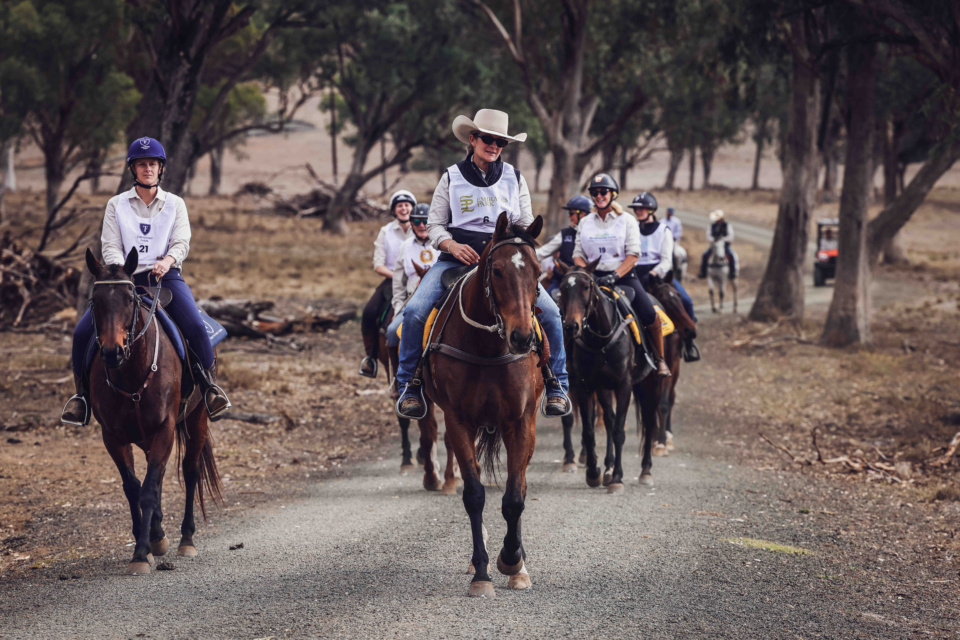
Dr Susie O’Neill is the CEO of KIDS Foundation and the founder of Tour d’Horse, a six-day, 200…

Posted on 13 May 2026
Forty-two years after sexual harassment became illegal in Australian workplaces, and despite the Me…

Posted on 07 May 2026
A bold use of new technology to transform a contact centre phone line into a genuinely national…
Posted on 06 May 2026
$386 billion is quite a chunk of change. That's how much is earmarked for the AUKUS defence deal…

Posted on 06 May 2026
A landmark multimillion-dollar sector-led national initiative to build the digital capabilities of…
Posted on 06 May 2026
Institute of Community Directors Australia executive director Adele Stowe-Lindner has applauded the…

Posted on 06 May 2026
Communication is everything. That was the key takeout from a webinar held late last week that…

Posted on 06 May 2026
Small Australian charities with international reach have rated well in a just-released Australian…