
Disability savings directed straight to defence in a mixed Budget
Posted on 13 May 2026
There are few surprises in the federal Budget. The flagged reforms are welcome, although…
Posted on 14 Apr 2025
By Greg Thom, journalist, Institute of Community Directors Australia

Australians overwhelmingly favour providing more support to the nation’s charity sector, according to a new survey.
The poll of more than 4,600 voters in marginal electorates across the nation conducted on behalf of the Community Council for Australia (CCA) found 92 per cent believe the sector should be given the staff, volunteers and capacity to better serve the community.
Released in the run up to the federal election, the Community Perception Survey (Charities) revealed deep concern among voters about the plight of charities on a national and local level.
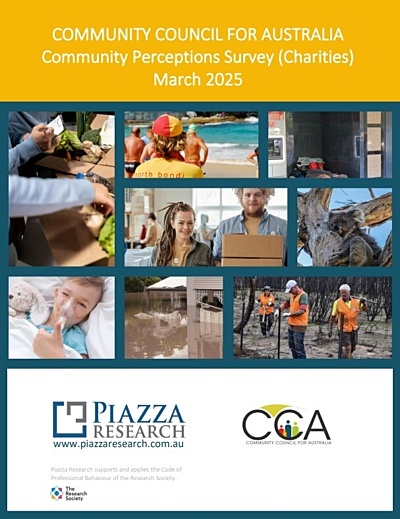
The survey found:
Community Council for Australia CEO David Crosbie said Australia was becoming a more inward looking, selfish country characterised by less people giving and volunteering.
He said charities need and deserve much more support from governments, funders and the community.
“It’s very clear that in marginal electorates, voter support for election candidates is partly about their engagement with charities and support for positive charity policies,” he said.
“The bottom line is the vast majority of our charities are underfunded, and cost of living issues are impacting on local charities and community groups in a huge way.”
“Charities matter to our communities, to our economy, to our productivity and wellbeing, but our issues are not taken seriously, and that needs to change.”
Crosbie said charities also face massive amounts of red tape.
“Without doubt, it’s gotten harder and harder for local charities.”
Crosbie said that awhile income across the sector had risen by just eight per cent, staffing costs had surged 11 per cent.
“Charities are facing bigger and bigger costs to do their business and unlike small business there is no support for cybersecurity, staff skills development, energy transition, research and development, data use and privacy, capital investment in infrastructure and capacity, or climate change adaptation.”
Crosbie said that the nation’s 60,000 charities employ more than 10 per cent of Australia’s workforce and turn over more than $200 billion a year – eight per cent of the nation’s GDP.
Despite these impressive statistics, he said there is no government department to promote charity productivity, no charity ombudsman, and not one federal official outside of the charities regulator whose job is to monitor and promote the sector.
“Charities matter to our communities, to our economy, to our productivity and wellbeing, but our issues are not taken seriously, and that needs to change.”
The survey revealed that 66 per cent of voters were much more likely to vote for a candidate committed to improving government policy toward charities.
The vast majority of voters also believed it was vital that their local MP encouraged the government to work more closely with charities.
Between 65 per cent and 80 per cent of people surveyed want their MP to meet with charity sector representatives.
“These compelling findings clearly demonstrate that in Australia’s marginal electorates, charity policy and the involvement of MPs are absolutely significant factors influencing voters’ decisions.”
Crosbie said it was also clear that political candidates who are proactive in supporting the charity sector will improve their standing amongst voters.
““Unfortunately, one of the very real problems in the charity sector is organisations tend to advocate for their cause and their purpose (the communities they serve) rather than advocating for themselves or their sector.”
Sector urges pollies to put disadvantaged Australians first during election campaign
Canberra fails to respond to sector reform blueprint
Podcast: Not-for-profits can influence agenda this election, says political trailblazer
Posted on 13 May 2026
There are few surprises in the federal Budget. The flagged reforms are welcome, although…

Posted on 13 May 2026
Is it possible that Australians are revelling in demented hysteria at the moment, imagining all…

Posted on 13 May 2026
Doug Taylor, the CEO of The Smith Family, a children’s education charity, and also a teacher of…
Posted on 13 May 2026
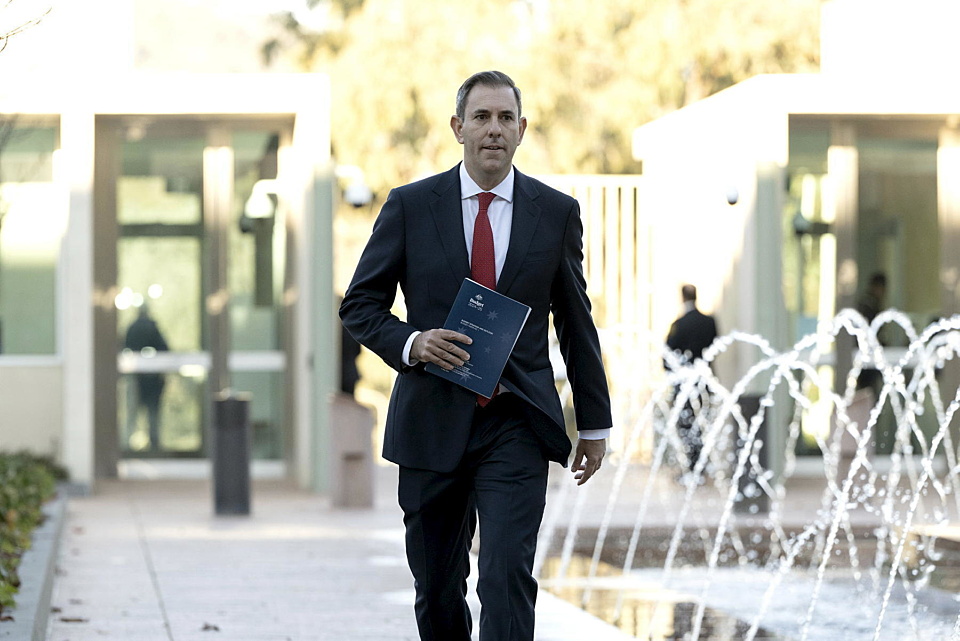
Last night’s federal Budget was a mix of attempted wealth redistribution through significant…
Posted on 13 May 2026
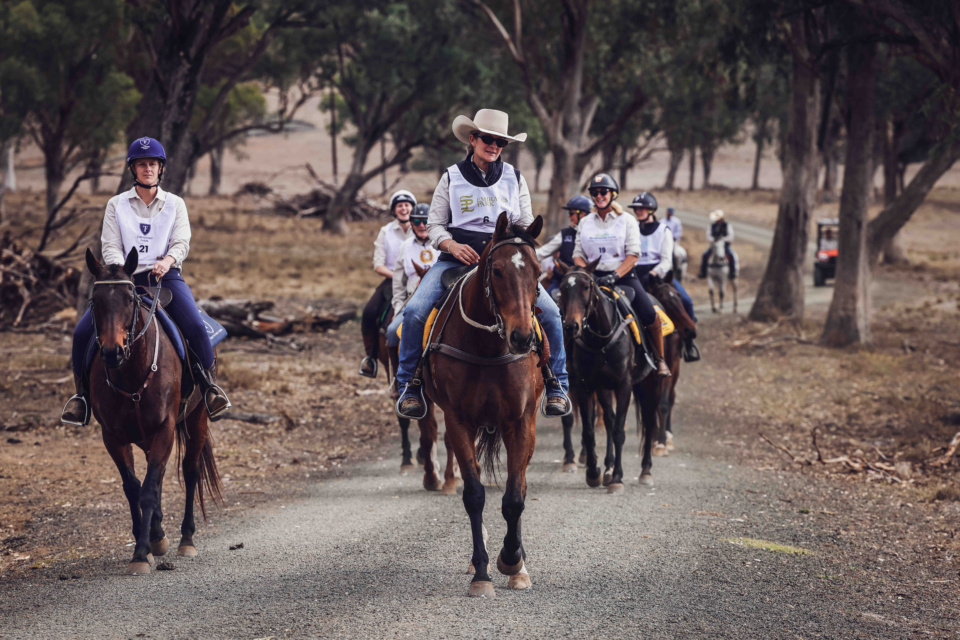
Dr Susie O’Neill is the CEO of KIDS Foundation and the founder of Tour d’Horse, a six-day, 200…

Posted on 13 May 2026
Forty-two years after sexual harassment became illegal in Australian workplaces, and despite the Me…

Posted on 07 May 2026
A bold use of new technology to transform a contact centre phone line into a genuinely national…
Posted on 06 May 2026
$386 billion is quite a chunk of change. That's how much is earmarked for the AUKUS defence deal…

Posted on 06 May 2026
A landmark multimillion-dollar sector-led national initiative to build the digital capabilities of…
Posted on 06 May 2026
Institute of Community Directors Australia executive director Adele Stowe-Lindner has applauded the…

Posted on 06 May 2026
Communication is everything. That was the key takeout from a webinar held late last week that…

Posted on 06 May 2026
Small Australian charities with international reach have rated well in a just-released Australian…