
AI and charities: it’s all about purpose
Posted on 30 Sep 2026
There's been a lot of talk about AI this week, and some of it has been frightening. So, is AI good…
Posted on 25 Jul 2023
By Greg Thom, journalist, Institute of Community Directors Australia
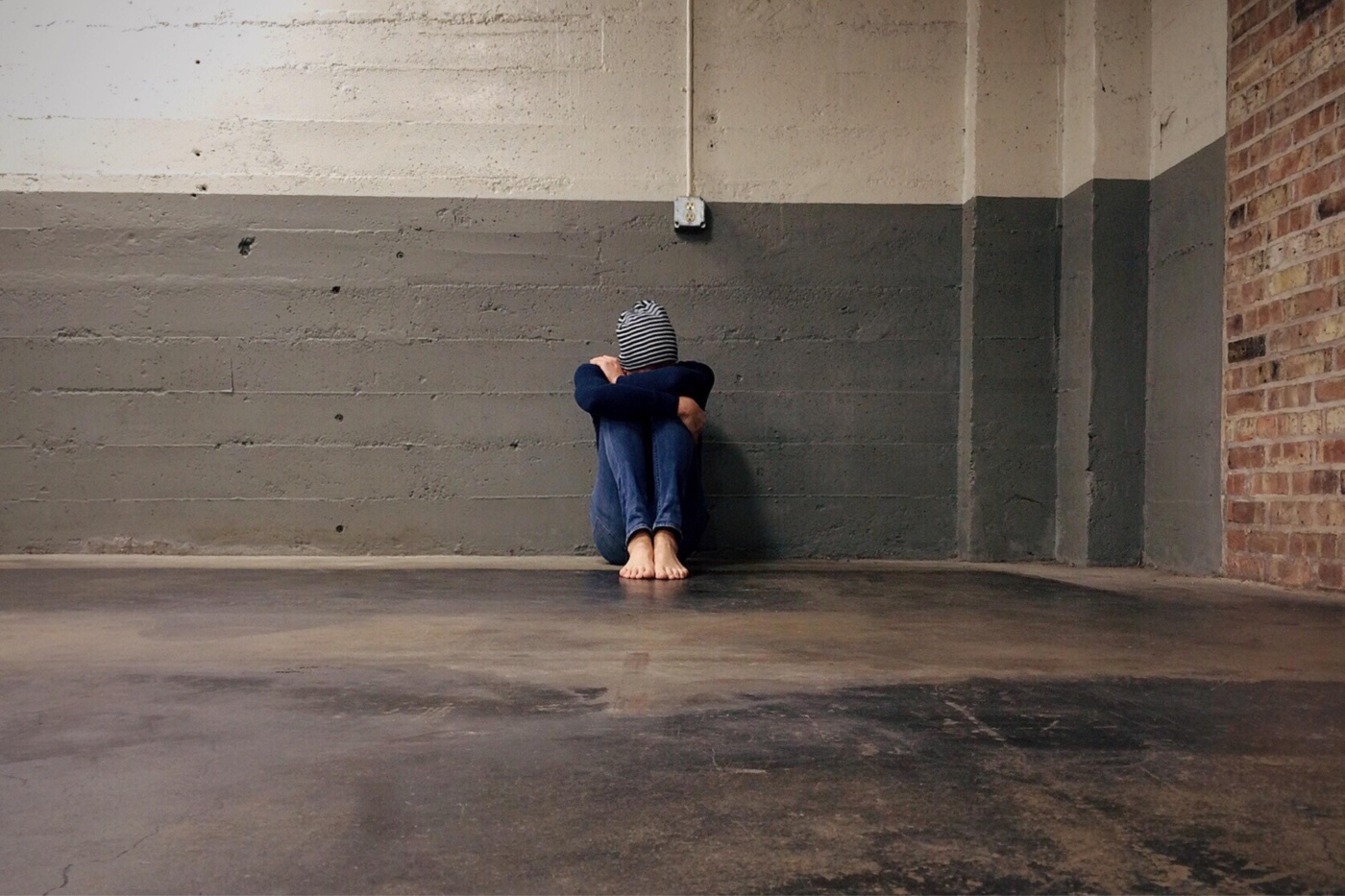
A new report paints a harrowing picture of the plight of homeless youth on Australia’s streets.
The It's time – for a national plan to address child and youth homelessness report analysed Australian Bureau of Statistics (ABS) data to reveal the extent of the homeless crisis affecting children and young adults.
The study, conducted by disadvantaged youth advocacy organisation Youth Development Australia revealed:
A commitment by the Rudd Government in 2008 to halve the rate of homelessness by 2020 has failed to make a significant dent in the number of young people seeking help from homeless services.
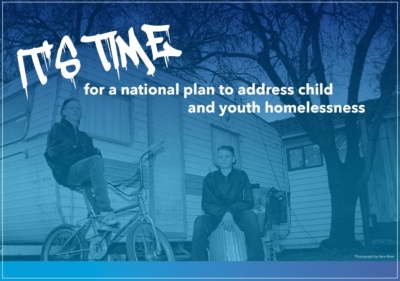
Children and young people who live with homelessness are more likely to also experience trauma or poor mental health, unemployment, leave school early, and cross paths with the criminal justice system.
The report, released today at the National Children and Youth Homelessness Conference in Melbourne, found the leading causes of homelessness include poverty, unemployment, housing stress and family violence.
These issues have been exacerbated by what the report describes as “an interconnected web of system failures.”
These include an alleged failure of successive governments to invest in affordable housing, to provide accessible mental health support, and to prioritise early intervention.
The report found that most support services focus on adult homelessness, with the few specialist programs catering to the specific needs of children and young people under-resourced and overwhelmed by demand.
The It’s time report states previous initiatives to alleviate the plight of homeless Australians such as the 1999 National Homeless Strategy have had little impact.
Instead, a national plan with a focus on children and young people is more likely to ensure their specific needs are met compared to one that seeks to tackle homelessness overall.
The report said the weaknesses of previous blueprints could be overcome by genuine consultation and adopting the following principles:
Co-design: Young people with experience of homelessness should be front and centre in the design and implementation of the plan.
Ownership: The plan must be the responsibility of all agencies that work with and fund services, including housing and homelessness services, education systems and schools, health, and youth services.
Authoritative: The plan should map the means to end child and youth homelessness, how that can be done, how long it might take and at what cost to governments, organisations and the community.
Accountable: The plan should include measurable goals and outcomes for which governments and agencies are held responsible.
With traditional approaches to solving the youth homeless crisis failing, the report's authors called for a new approach.
They want Canberra to work collaboratively with youth homelessness services and young people with lived experience to develop a plan which specifically tackles child and youth homelessness.
Key elements should include strategies to reduce poverty; increase employment; provide more targeted social and affordable housing; and for early intervention to reduce family violence.
“With the recent census data, it is no secret that our governments’ current approach to tackling youth homelessness is not working.”
Keith Waters, CEO of Youth Development Australia and a 30 year veteran of working with homeless youth, said the ABS figures paint a harrowing picture of life on the street for the nation's most vulnerable citizens.
“These are not mere figures; they represent young lives caught in a cycle of despair, deprivation and uncertainty,” Mr Waters said.
“Behind each number is a child or young person who has been failed by the very systems entrusted to protect and support them.”

Mr Waters said too many children and young people experience homelessness, which can vary from sleeping rough to couch surfing or living in severely-crowded dwellings.
“As a nation that prides itself on fairness and compassion, it is unconscionable that we continue to witness the neglect of our most vulnerable members of the community.”
Mr Waters urged all tiers of government and non-government organisations to work together to formulate a co-ordinated national approach to end child and youth homelessness.
“The Australian government must rise to the occasion and demonstrate a genuine commitment to the well-being and future of the nation's children and young people.”
Posted on 30 Sep 2026
There's been a lot of talk about AI this week, and some of it has been frightening. So, is AI good…

Posted on 30 Sep 2026
After the biggest AFL game of the year, one player proudly wore the flag of his birth country and…

Posted on 30 Sep 2026
At 21 years old, Tate Donohoe is the founder of Ecodia, an AI-assisted software development company…

Posted on 30 Sep 2026
I am checking if this is in the right spot. Let's see.
Posted on 30 Sep 2026
More than 200 fully funded Centre for Social Impact (CSI) scholarships will help equip for-purpose…

Posted on 30 Sep 2026
Personal stories are among the most powerful tools a charity can have to raise funds and awareness,…

Posted on 23 Sep 2026
In his new book Our Place, policy expert Matt Lloyd-Cope argues that housing must be at the heart…

Posted on 23 Sep 2026
There are solutions to counter the rise of One Nation but they might not be residing in the mess…

Posted on 23 Sep 2026
A just-released major global survey of charities has found that demand for charity assistance has…
Posted on 23 Sep 2026
Fresh from welcoming delegates to last week’s Philanthropy Australia conference in Brisbane,…
Posted on 23 Sep 2026
A national strategy to develop Australia's regional cities is needed to break the housing…

Posted on 23 Sep 2026
Eight years after a report to Treasury first suggested the charities regulator should be more…